
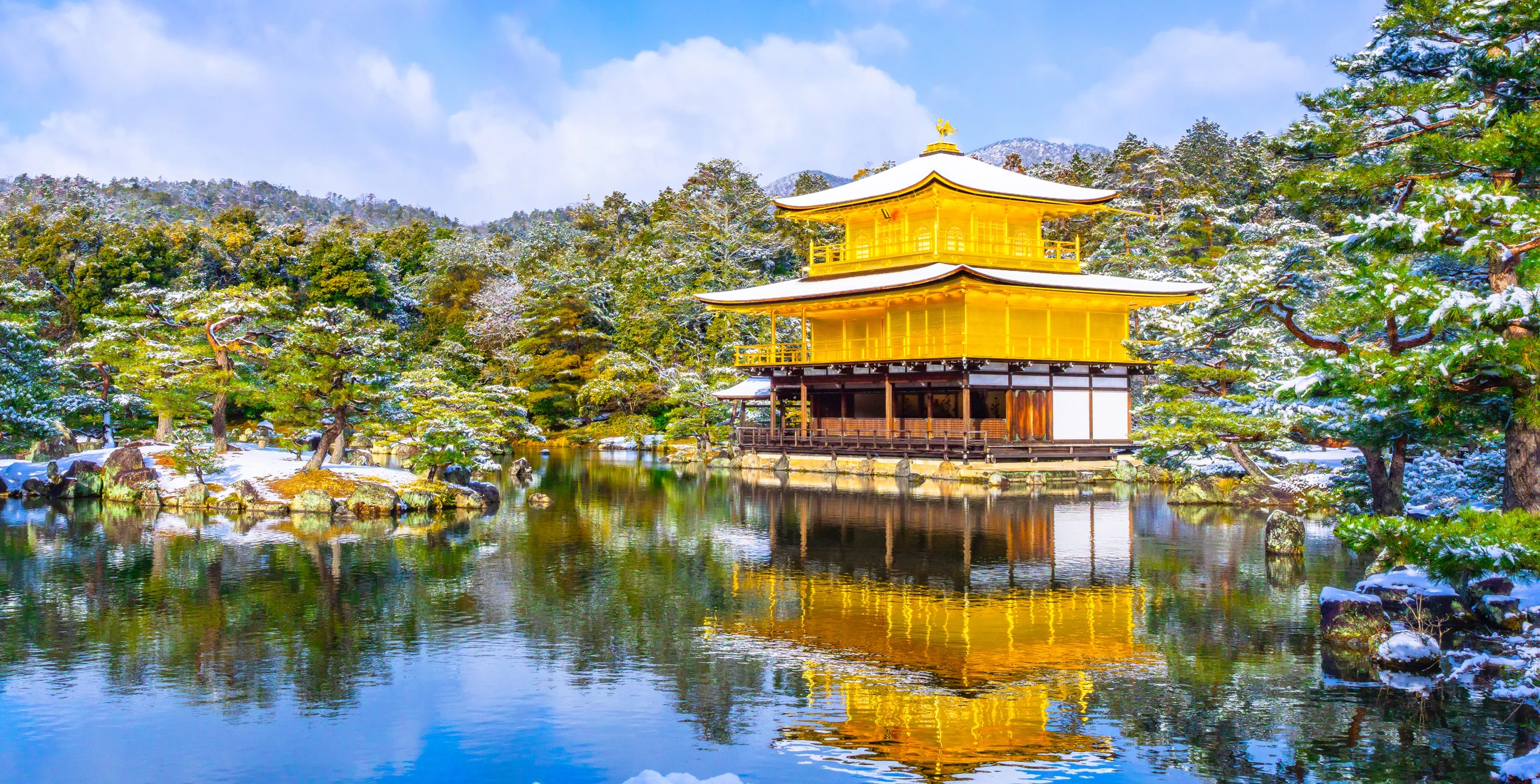
▲From PIXTA: "Kinkaku-ji Temple shining on a snowy morning"
A 1 Night, 2 Days Model Itinerary for Savoring Kyoto's Snowy Scenery
On a morning after snowfall, Kyoto is wrapped in a hushed stillness.
Rooftops and stone pavements are blanketed in white, and familiar streets look like an entirely different place.
Kyoto sees only a handful of days each winter when snow actually settles.
What's more, the fallen snow begins to melt before noon.
That's why it's important to plan a trip that lets you get moving first thing in the morning.
In this article, we introduce a 1-night, 2-day model itinerary that lets you fully enjoy Kyoto's snowy scenery.
Why not set out for Kyoto at its quietest time of year, when its historic buildings are dressed in snow?
Article Summary
- A 1-night, 2-day model itinerary: Day 1 covers Kinkaku-ji Temple, Ryoan-ji Temple, and Kifune Shrine, and Day 2 takes you to Fushimi Inari Taisha, Kiyomizu-dera Temple, and Gion
- We also pick out restaurants serving yudofu (simmered tofu) and yuba (tofu skin), perfect for winter in Kyoto, such as Saigen-in within the grounds of Ryoan-ji Temple and Tosuiro Gion
- Snowy scenery is at its best from late January to early February. We clearly explain how to get an early start and how to prepare for the cold and for slippery footing
- Common questions answered in Q&A format, including where to go if snow doesn't settle in the city and what to do if public transportation is disrupted
Kyoto

- Snowy Scenery
- Spectacular Views
- Model Course
Updated: September 14, 2026
This Trip's Destinations
- Day 1
- Day 2
- Snow Viewing Tips
- Q&A
DAY1
A Day Touring Snow-Covered Historic Landmarks
-
Visit in the Morning Before the Snow Melts
1Kinkaku-ji Temple
-
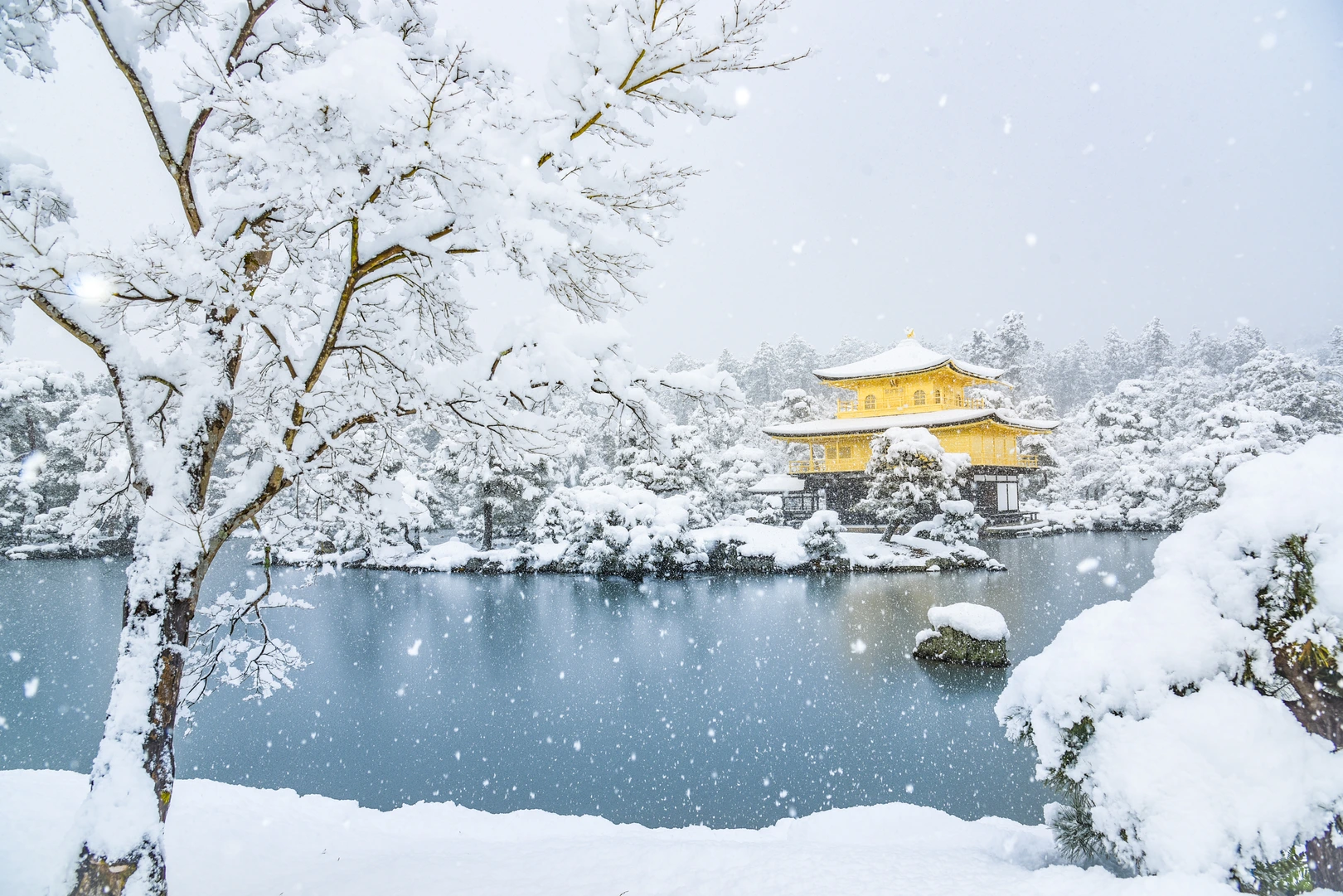
▲From PIXTA: "Kinkaku-ji Temple dressed in snow"
If you travel from Tokyo by Shinkansen, the earliest you can arrive at Kyoto Station is around 8:10A.M.
After leaving your luggage, hop on a city bus and head straight north to Kinkaku-ji Temple.
Kinkaku-ji Temple opens at 9:00A.M.
On a snowy morning, the moments right after opening are the best time to visit.
Snow piled on the roof of the Shariden, and the shimmer of gold leaf.
On the surface of Kyokochi Pond, the pavilion is reflected just as it is, dressed in white and gold.
This combination can only be seen on the morning after a snowfall.
Snow in Kyoto starts to melt as the sun climbs higher.
With "before the snow melts" as your motto, start the first day of your trip in the north.Kinkaku-ji Temple (Rokuon-ji)
- Address
- 1 Kinkakuji-cho, Kita-ku, Kyoto-shi, Kyoto 603-8361
- Hours
- 9:00A.M.-5:00P.M.
*Open year-round
*Hours may change due to special viewings and other events. Please check the official website. - Admission
- Adults (high school students and older): ¥500
Children (elementary and junior high school students): ¥300
18-minute walk -
-
Arrival!
Snow Blanketing the Garden
2Ryoan-ji Temple
-
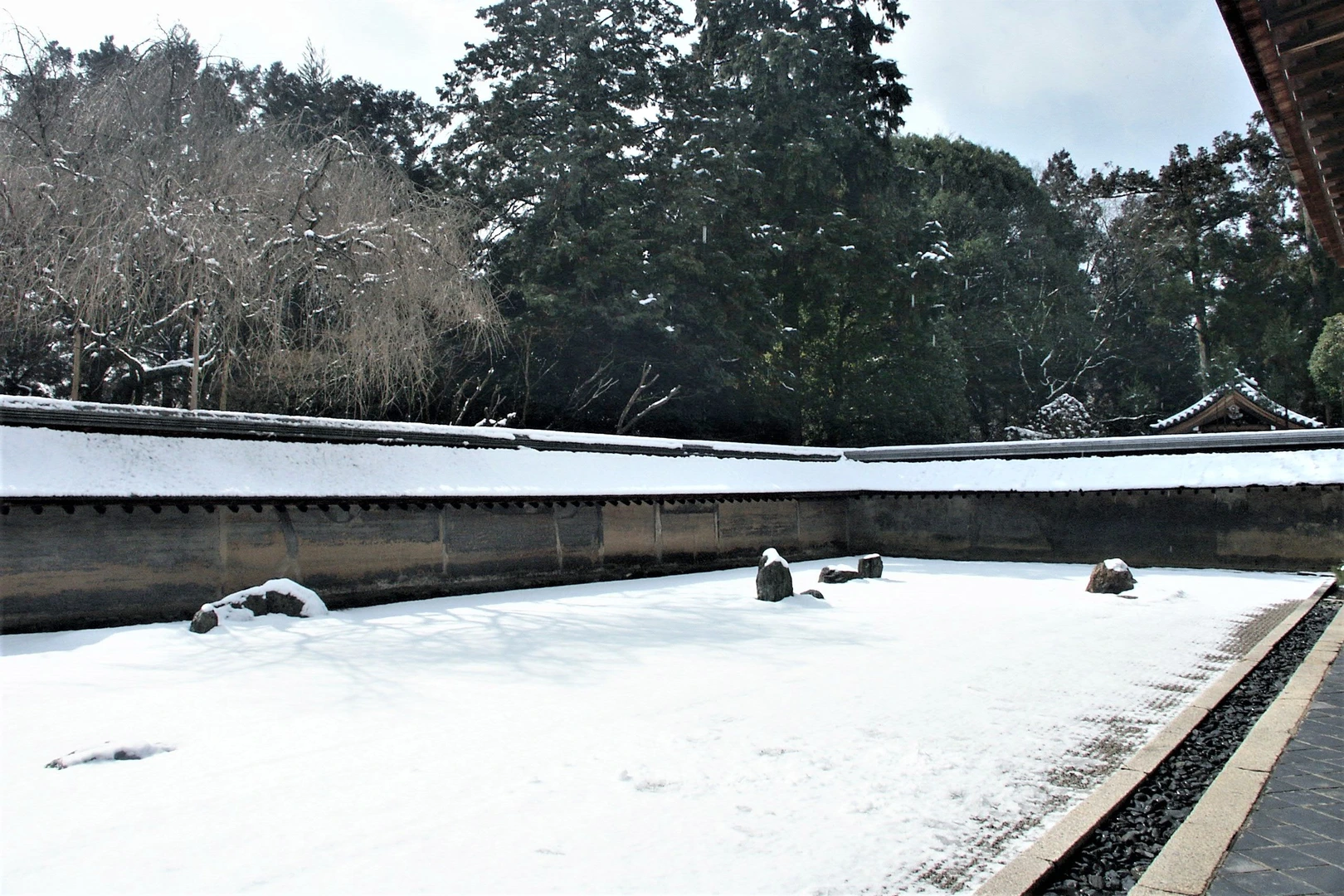
▲From PIXTA: "The rock garden of Ryoan-ji Temple covered in snow"
From Kinkaku-ji Temple, walk southwest along the Kinukake-no-Michi road for about 18 minutes.
City buses are also available, so you can choose depending on the weather.
You will arrive at Ryoan-ji Temple, a World Heritage Site.
The garden of the Hojo (abbot's quarters), with 15 stones arranged on white sand, is a renowned garden known as a quintessential example of the karesansui (dry landscape) style.
When snow settles on the white sand, only the outlines of the stones and moss stand out, and the garden turns into an even more tranquil monochrome.
Sit on the veranda of the Hojo and face the rock garden in the cold air.
A deeper stillness, unique to snowy days, fills the moment.
The area around Kyoyochi Pond, which stretches from the main gate, is also worth seeing.
Snow-covered trees are reflected on the water, and simply strolling slowly around the grounds lets you feel winter in Kyoto.Ryoan-ji Temple
- Address
- 13 Ryoanji Goryonoshita-cho, Ukyo-ku, Kyoto-shi, Kyoto 616-8001
- Hours
- March-November
8:00A.M.-5:00P.M.
December-February
8:30A.M.-4:30P.M. - Admission
- Adults: ¥600
High school students: ¥500
Children (elementary and junior high school students): ¥300
*Prices are subject to change. Please check the official website.
3-minute walk -
-
Arrival!
Savor Yudofu and Shojin Ryori Within the Grounds of Ryoan-ji Temple
3Saigen-in
-
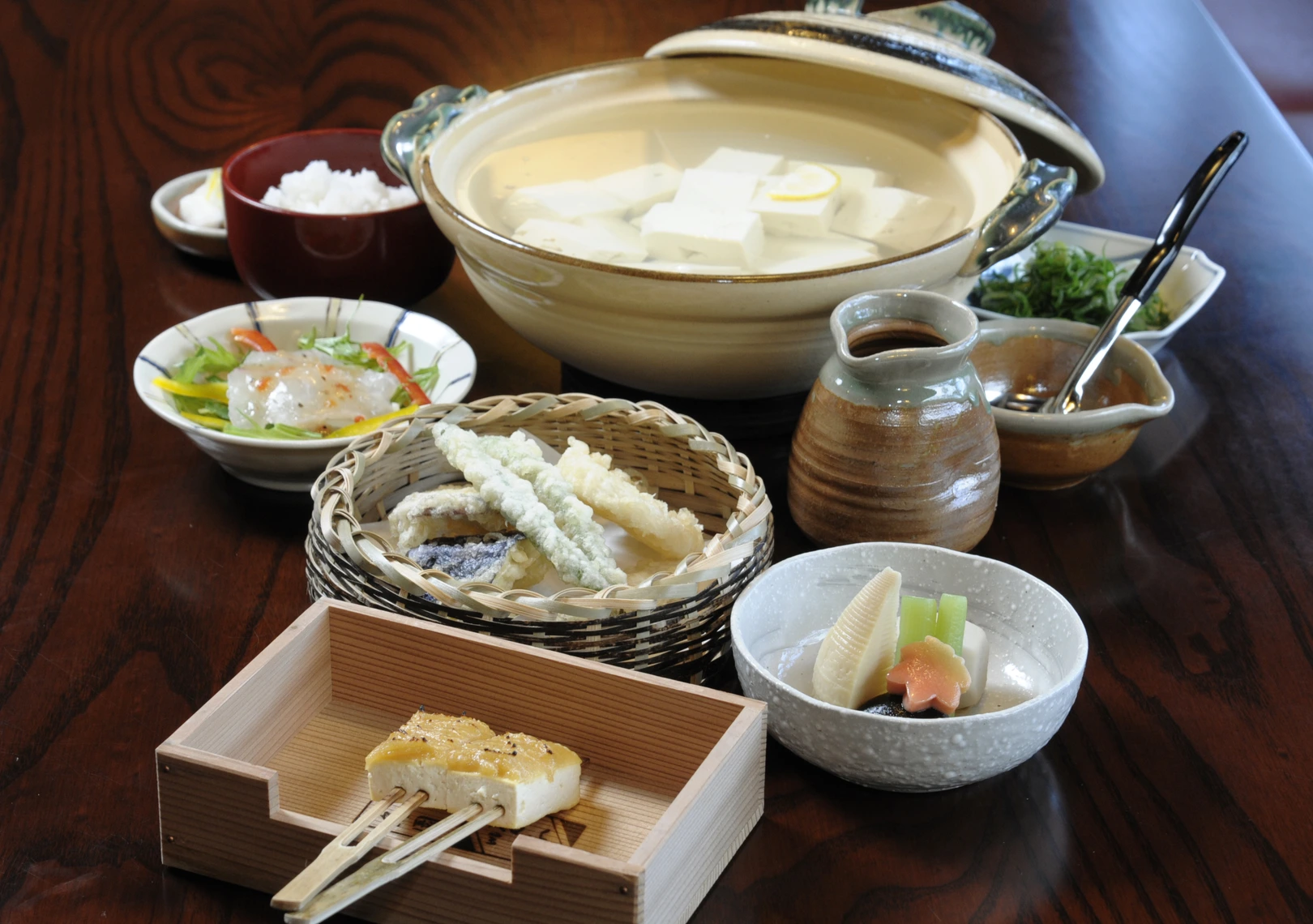
▲From PIXTA: "A yudofu course meal"
After viewing the rock garden, head straight to Saigen-in, also within the temple grounds.
One of Ryoan-ji Temple's sub-temples, it lets you enjoy a meal in a tatami room overlooking the garden.
The specialty is nanakusa yudofu, simmered tofu with seven kinds of ingredients.
In addition to tofu, shojin ryori (Buddhist vegetarian cuisine) is also available.
A steaming earthenware pot to warm your chilled body.
Beyond the shoji screens lies the snow-covered garden, letting you savor Kyoto's winter through both the dishes and the scenery.
Since you can worship and dine within the same temple grounds, it's reassuring to be able to cut down on travel on a snowy day.
Considering the rest of the day's schedule, we recommend having lunch around here.
Reservations are accepted, so we recommend booking before your visit.Saigen-in
- Address
- 13 Ryoanji Goryonoshita-cho, Ukyo-ku, Kyoto-shi, Kyoto 616-8001 (within the grounds of Ryoan-ji Temple)
- Hours
- 11:00A.M.-3:00P.M.
*Closed Wednesdays and Thursdays
*Hours and closing days are subject to change. Please check in advance. - Price
- *Prices are subject to change. Please check in advance.
- 5-minute walk
- Bus stop: Ryoanji-mae
- About 28 minutes by City Bus No. 59 in normal traffic
- Bus stop: Kawaramachi-Imadegawa
- 5-minute walk
- Demachiyanagi Station (Eizan Electric Railway)
- 28 minutes by Eizan Electric Railway
- Kibuneguchi Station (Eizan Electric Railway)
- Bus stop: Eiden Kibuneguchi-ekimae
- About 4 minutes by Kyoto Bus No. 33 in normal traffic
Bus stop: Kibune4-minute walk -
-
Arrival!
A Mystical Scene Created by Lanterns Lit from Dusk
4Kifune Shrine
-
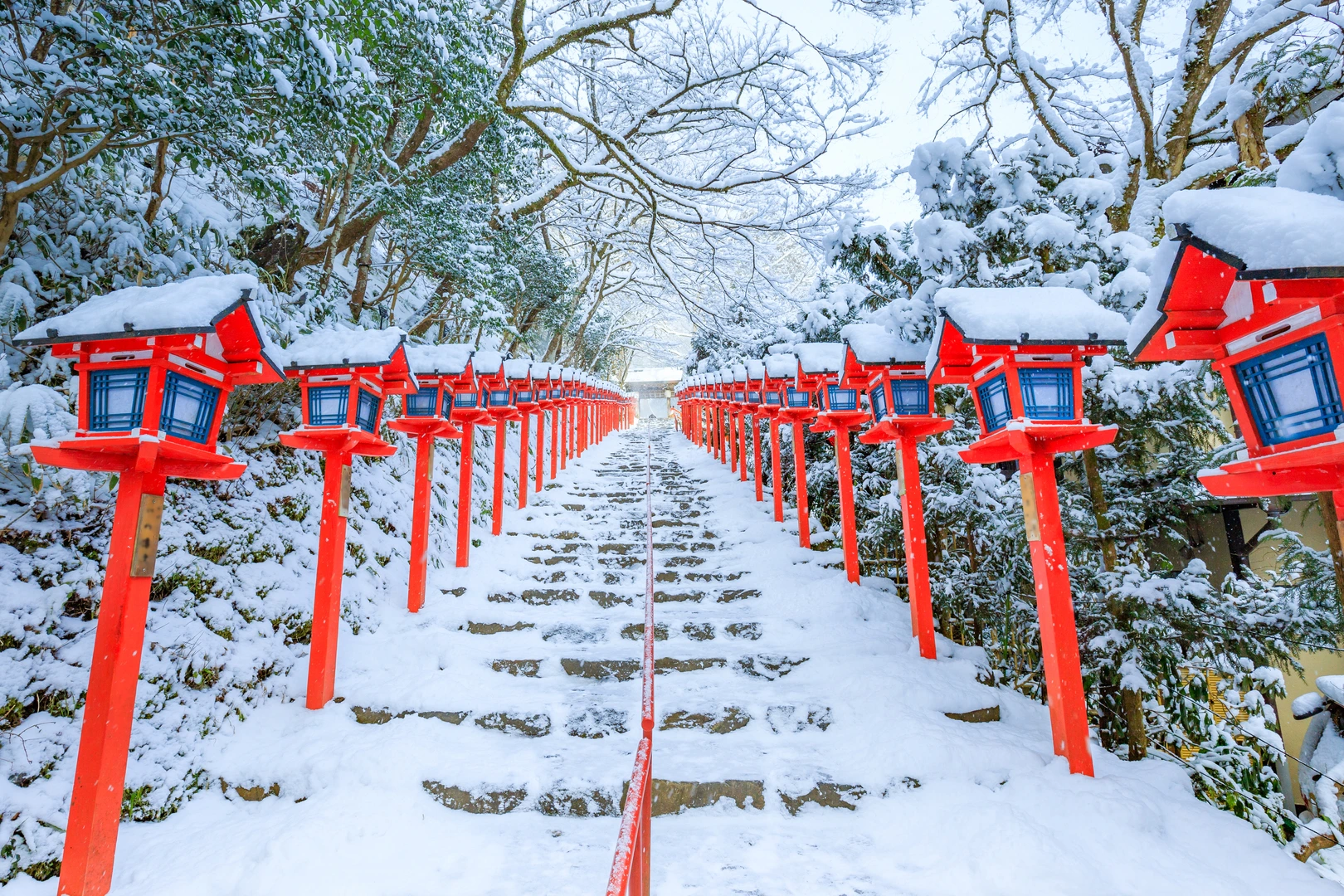
▲From PIXTA: "Kifune Shrine in the snow and its lantern-lined main approach"
After noon, leave the city center and head into the mountains of Rakuhoku in northern Kyoto.
Kifune Shrine, dedicated to the god of water, sits at a higher elevation than the city, so snow tends to linger here.
Both sides of the stone steps leading to the Main Shrine are lined with vermilion-lacquered Kasuga-style lanterns.
When snow covers the steps and the lanterns are lit at dusk, the approach takes on its most enchanting look of the year.
In addition, only on winter Saturdays and Sundays when snow has settled, a special "Snow Day Light-Up" of the Main Shrine and the approach is held.
The period and eligible dates vary by year, and whether it will be held is announced on the shrine's official social media at 3:00P.M. that day, so it's a good idea to check before you go.
The mountain roads get very cold.
Dress warmly, all the way down to your feet.Kifune Shrine
- Address
- 180 Kurama Kibune-cho, Sakyo-ku, Kyoto-shi, Kyoto 601-1112
- Hours
- December-April
6:00A.M.-6:00P.M.
May-November
6:00A.M.-8:00P.M.
*Open year-round
*Please check the official website and official social media for the period of the Snow Day Light-Up and whether it will be held. - Admission
- Free to visit
- 4-minute walk
- Bus stop: Kibune
- About 4 minutes by Kyoto Bus No. 33 in normal traffic
- Bus stop: Eiden Kibuneguchi-ekimae
- 2-minute walk
- Bus stop: Kibuneguchi
- About 19 minutes by Kyoto Bus No. 52 in normal traffic
Bus stop: Kokusaikaikan-ekimae7-minute walk -
-
Arrival!
Spend a Quiet Kyoto Night Surrounded by the Greenery of Rakuhoku
5The Prince Kyoto Takaragaike
-
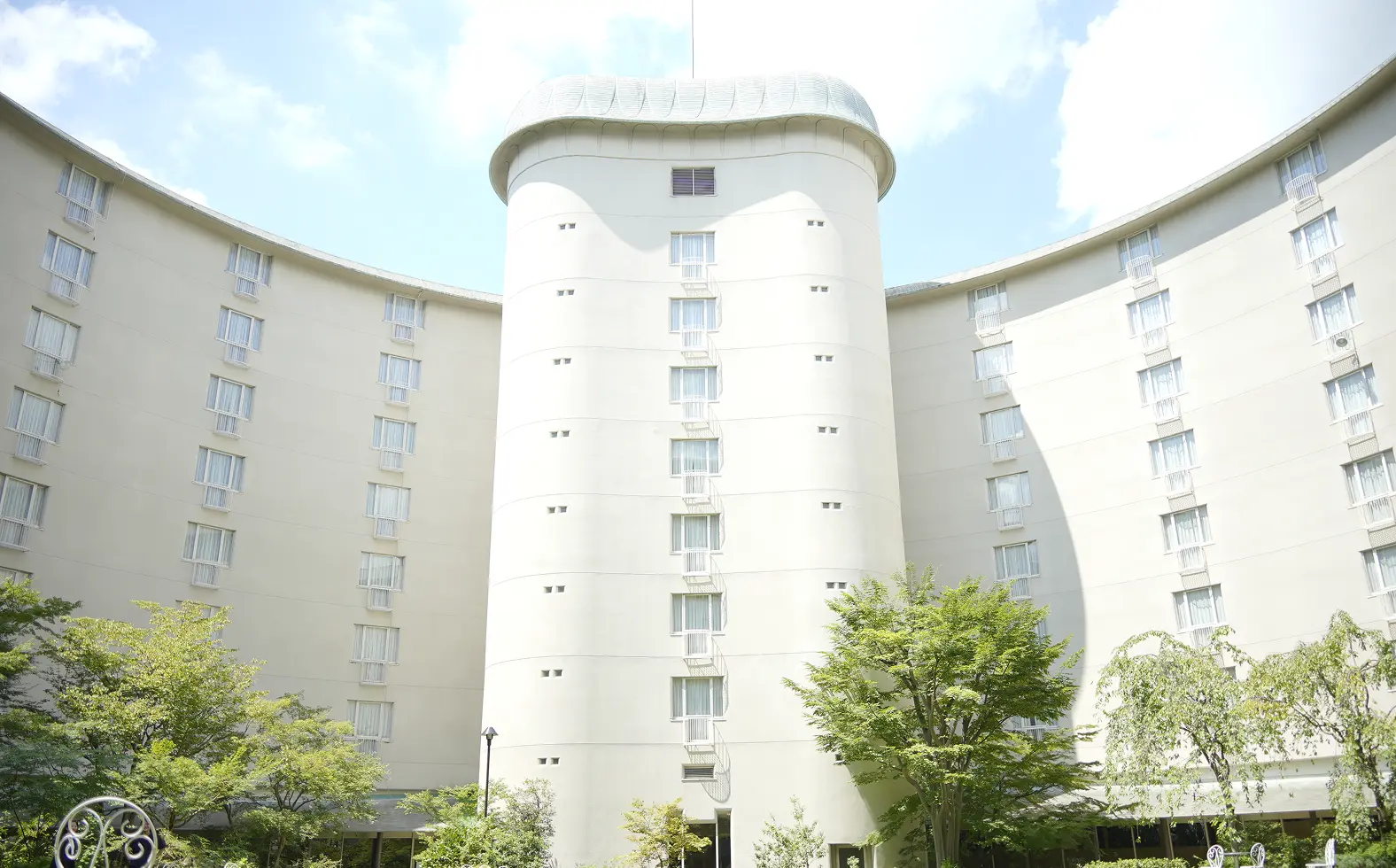
▲From the official website of The Prince Kyoto Takaragaike: "The gently curving exterior of the hotel building"
-
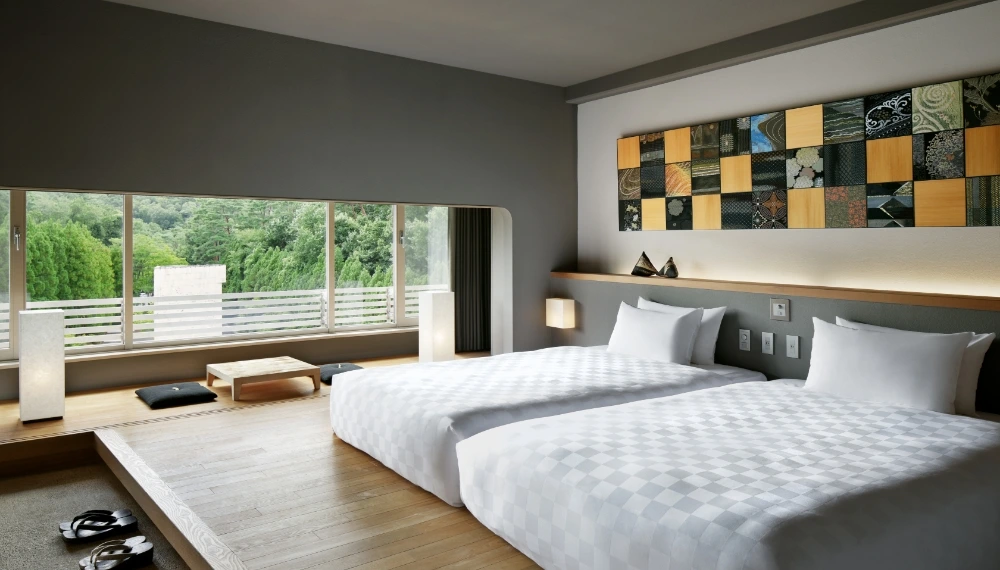
▲From the official website of The Prince Kyoto Takaragaike: "A Japanese-style guest room with a raised tatami area"
-
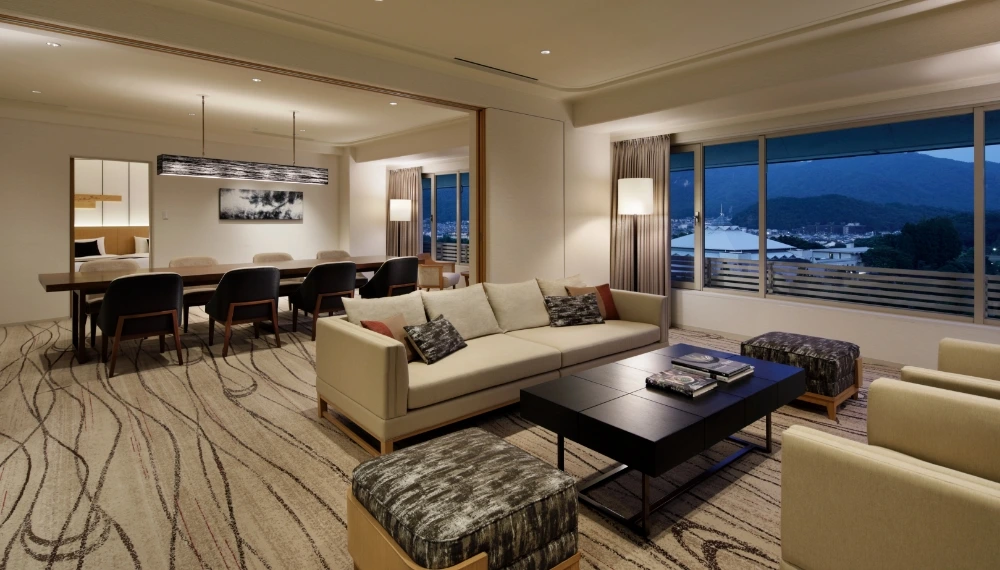
▲From the official website of The Prince Kyoto Takaragaike: "A suite overlooking the mountains of Kyoto"
-
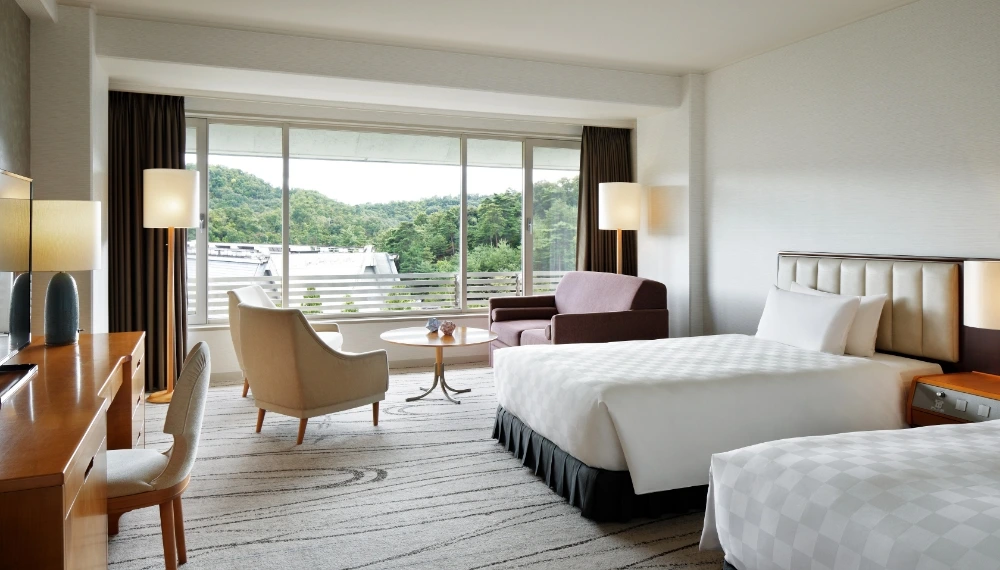
▲From the official website of The Prince Kyoto Takaragaike: "A guest room with greenery spreading beyond the windows"
On your way back from Kibune, the Rakuhoku area is a convenient place to settle in for the night.
Adjacent to Takaragaike Park, The Prince Kyoto Takaragaike is the final work of Togo Murano, a master of Japanese architecture.
The hotel's circular form stands quietly among the trees.
All guest rooms are at least 36 m².
The greenery of Takaragaike Park spreads out beyond the windows, and some rooms even offer views of Mt. Hiei.
The grounds feature a Japanese garden with a sukiya-style teahouse.
Spending time gazing out at the snow-covered garden is an experience unique to this hotel.
It's a 7-minute walk from Kokusaikaikan Station on the Karasuma Subway Line.
Kyoto Station is about 20 minutes away by subway, making it easy to set off early the next morning.The Prince Kyoto Takaragaike
- Address
- 1092-2 Iwakura Hataeda-cho, Sakyo-ku, Kyoto-shi, Kyoto 606-0015
-
DAY2
A Day of Savoring Snowy Streetscapes from Early Morning
-
A Luxurious Breakfast in Your Room
1The Prince Kyoto Takaragaike
-
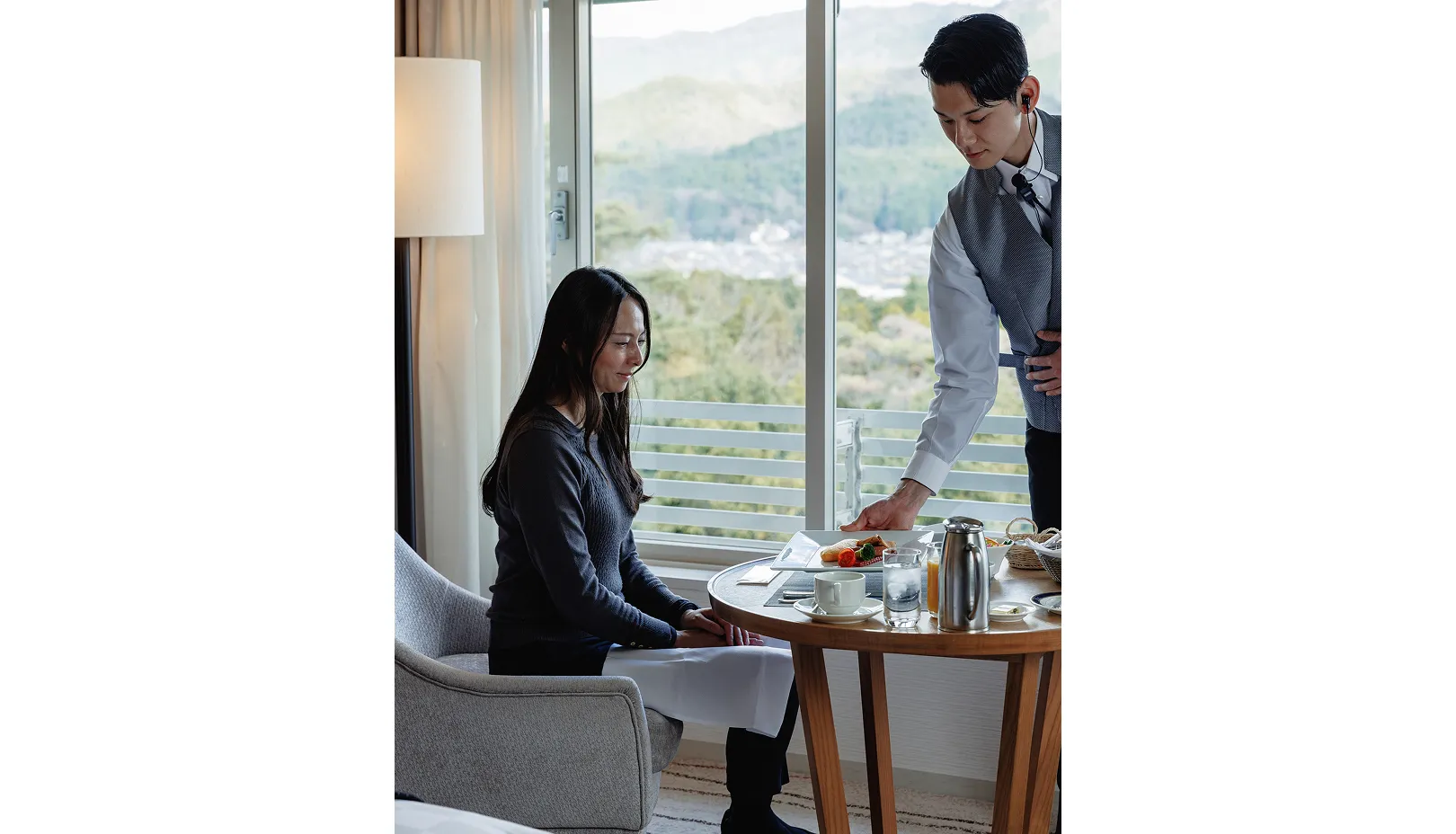
▲From the official website of The Prince Kyoto Takaragaike: "A luxurious breakfast surrounded by the nature of Kyoto"
Day 2 is all about getting up early.
In snowy Kyoto, the morning is what counts, which is exactly why you'll want a way to get ready at a relaxed pace.
The Prince Kyoto Takaragaike offers in-room dining, so you can enjoy your meal in your room.
Breakfast is available in Japanese or Western style, from 7:00A.M. to 10:00A.M.
Outside the window, the trees of Takaragaike Park are covered in snow.
Whether you're still changing or getting ready, you can greet the morning at your own pace.
There's no need to go down to the lobby or wait for a table.
The greatest value of this choice is that you can put that saved time toward visiting Fushimi Inari Taisha first thing in the morning.The Prince Kyoto Takaragaike (In-Room Dining)
- Address
- 1092-2 Iwakura Hataeda-cho, Sakyo-ku, Kyoto-shi, Kyoto 606-0015
- Hours
- 7:00A.M.-10:00A.M.
*Menu and service hours are subject to change. Please check the official website. - Price
- From ¥3,800
*A separate 15% service charge applies.
- 7-minute walk
- Kokusaikaikan Station (Karasuma Subway Line)
- 20 minutes by subway
- Kyoto Station
- Transfer to the JR Nara Line, 6 minutes by train
Inari Station (JR Nara Line)3-minute walk -
-
Arrival!
The Contrast of Vermilion and White in the Early Morning
2Fushimi Inari Taisha
-
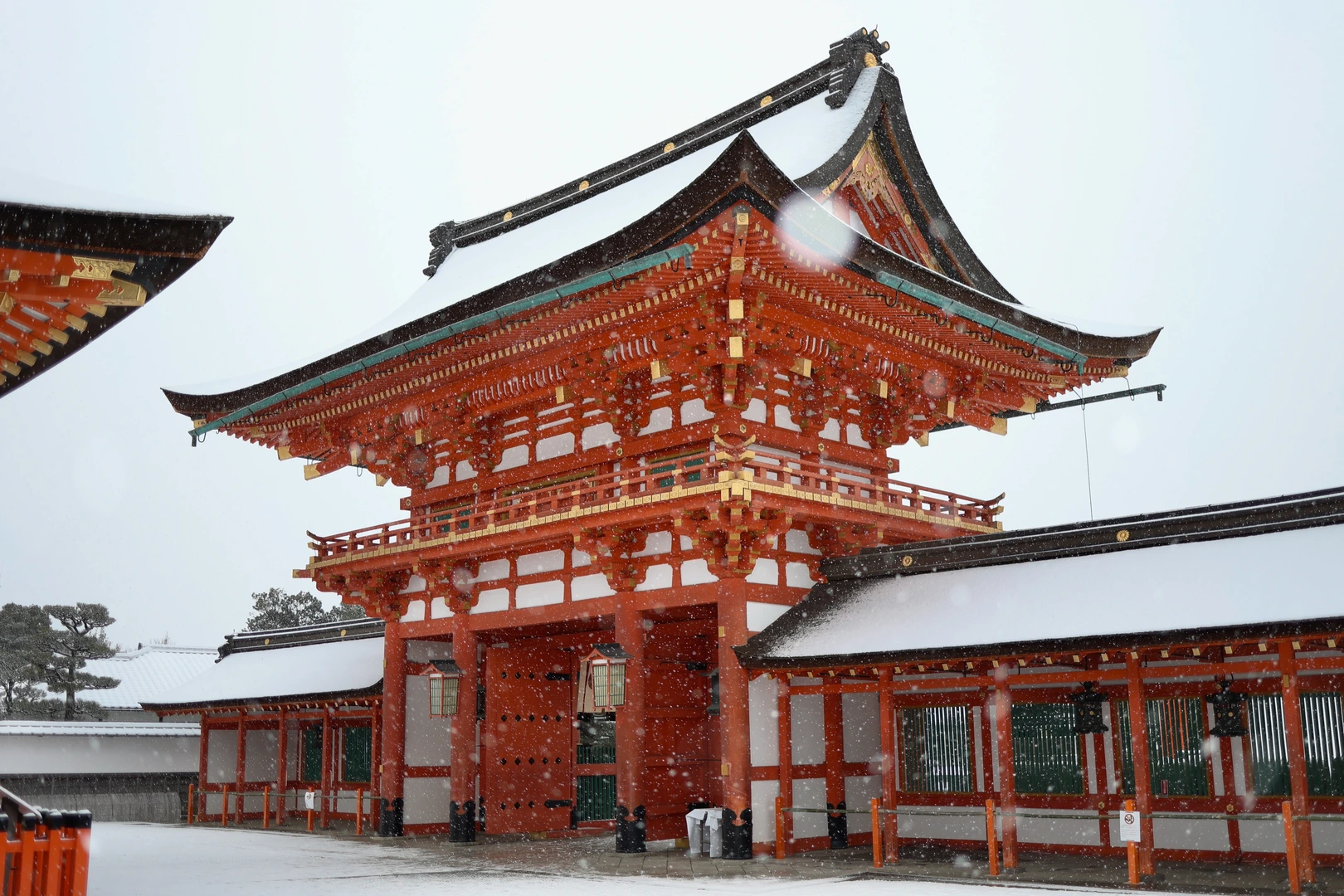
▲From PIXTA: "Fushimi Inari Taisha on a day of heavy snow"
From the hotel, take the subway and transfer to the JR Nara Line to reach Inari Station.
Fushimi Inari Taisha, the head shrine of all Inari shrines across Japan, can be visited at any time of day.
There are two reasons to visit first thing in the morning.
One is to avoid the daytime crowds. The other is that it's the time of day when snow still remains.
White snow rests on the vermilion of the Senbon Torii (Thousand Torii Gates).
The winter morning sun streaming between the gates makes the contrast of vermilion and white even more striking.
The higher you climb Mt. Inari, the fewer people you'll see, and the path continues with only the sound of your footsteps echoing.
The stone steps are slippery on snowy days, so it's wise to turn back before you overdo it.Fushimi Inari Taisha
- Address
- 68 Fukakusa Yabunouchi-cho, Fushimi-ku, Kyoto-shi, Kyoto 612-0882
- Hours
- Grounds open 24 hours
*Please check the official website for the hours of the amulet office and prayer reception. - Admission
- Free to visit
- 5-minute walk
- Fushimi-Inari Station (Keihan Main Line)
- 7 minutes by train
Kiyomizu-Gojo Station (Keihan Main Line)18-minute walk -
-
Arrival!
A Spectacular View of Snowy Kyoto from the Kiyomizu Stage
3Kiyomizu-dera Temple
-
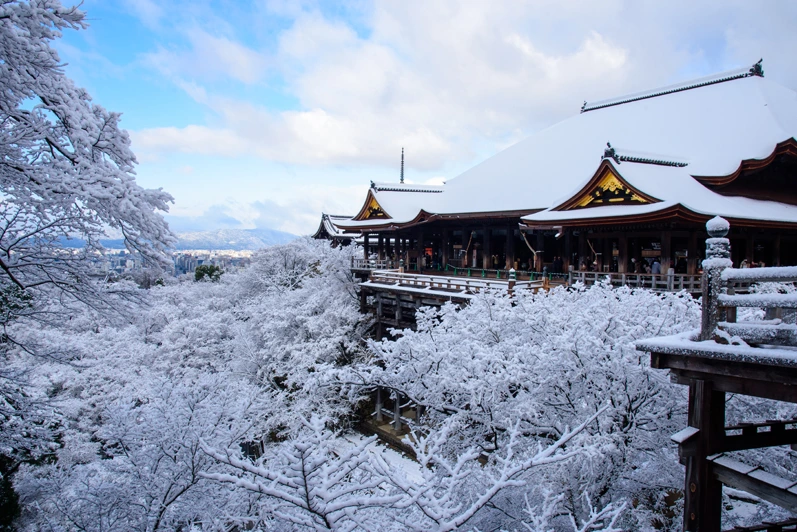
▲From PIXTA: "The Kiyomizu Stage dusted with snow"
From Fushimi Inari Taisha, take the Keihan Main Line to Kiyomizu-Gojo Station.
From there, walk up the slopes to Kiyomizu-dera Temple, which stands on the hillside of Higashiyama.
The gates open at 6:00A.M.
Since it opens earlier than most of Kyoto's major temples and shrines, it's easy to fit into a morning schedule.
Stand on the Kiyomizu Stage, which juts out from the Main Hall, and you'll see snow-covered trees below, with Kyoto's cityscape stretching beyond.
The view of the slopes of Mt. Otowa and the city merging into one continuous expanse of white is a truly spectacular sight found only in winter.
Continue on to Oku-no-in, and you can now view the stage itself.
Take a moment to admire the Main Hall and the Three-Storied Pagoda, their roofs covered in snow, from a little distance.Kiyomizu-dera Temple
- Address
- 1-294 Kiyomizu, Higashiyama-ku, Kyoto-shi, Kyoto 605-0862
- Hours
- September-June
6:00A.M.-6:00P.M.
July and August
6:00A.M.-6:30P.M.
*Hours may vary depending on the season and events. Please check the official website. - Admission
- Adults: ¥500
Children (elementary and junior high school students): ¥200
11-minute walk -
-
Arrival!
Enjoy Yuba Cuisine Before Heading Home
4Tosuiro Gion
-
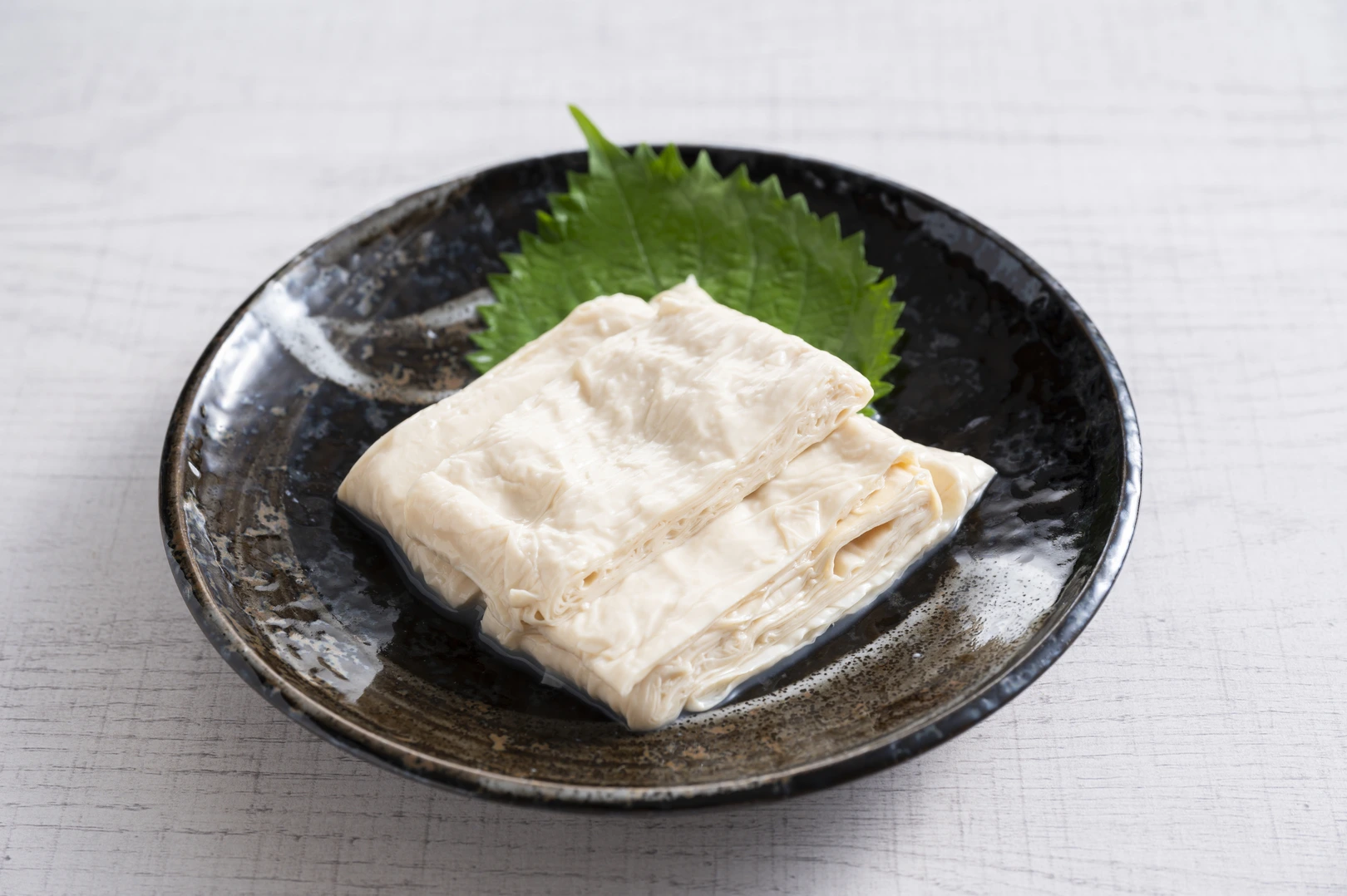
▲From PIXTA: "Yuba sashimi"
It's an 11-minute walk down the slope from the gate of Kiyomizu-dera Temple.
Tosuiro Gion, set in a renovated 150-year-old machiya townhouse, is where you'll enjoy the final meal of your trip.
Here you can enjoy course meals centered on tofu and yuba (tofu skin).
The menu showcases the flavors of soybeans in different ways, with dishes such as freshly scooped yuba, namafu (fresh wheat gluten), and yuba manju (steamed buns).
After you've walked around Kyoto in winter, the warm tofu dishes slowly soothe your body.
The calm atmosphere unique to a machiya also deepens the lingering memories of your trip.
As it's a popular restaurant, we recommend making a reservation in advance.
For details on opening hours and the menu, please check the official website.Tosuiro Gion
- Address
- 38-1 Bishamon-cho, Higashioji-dori Matsubara-agaru 4-chome, Higashiyama-ku, Kyoto-shi, Kyoto
- Hours
- Lunch 11:30A.M.-3:00P.M.
Dinner 5:00P.M.-9:00P.M. (last entry 8:00P.M.)
*Hours and closing days are subject to change. Please check the official website. - Price
- *Please check the official website for course prices.
12-minute walk -
-
Arrival!
Stroll Through Snow-Covered Streets
5Gion & Kamo River
-
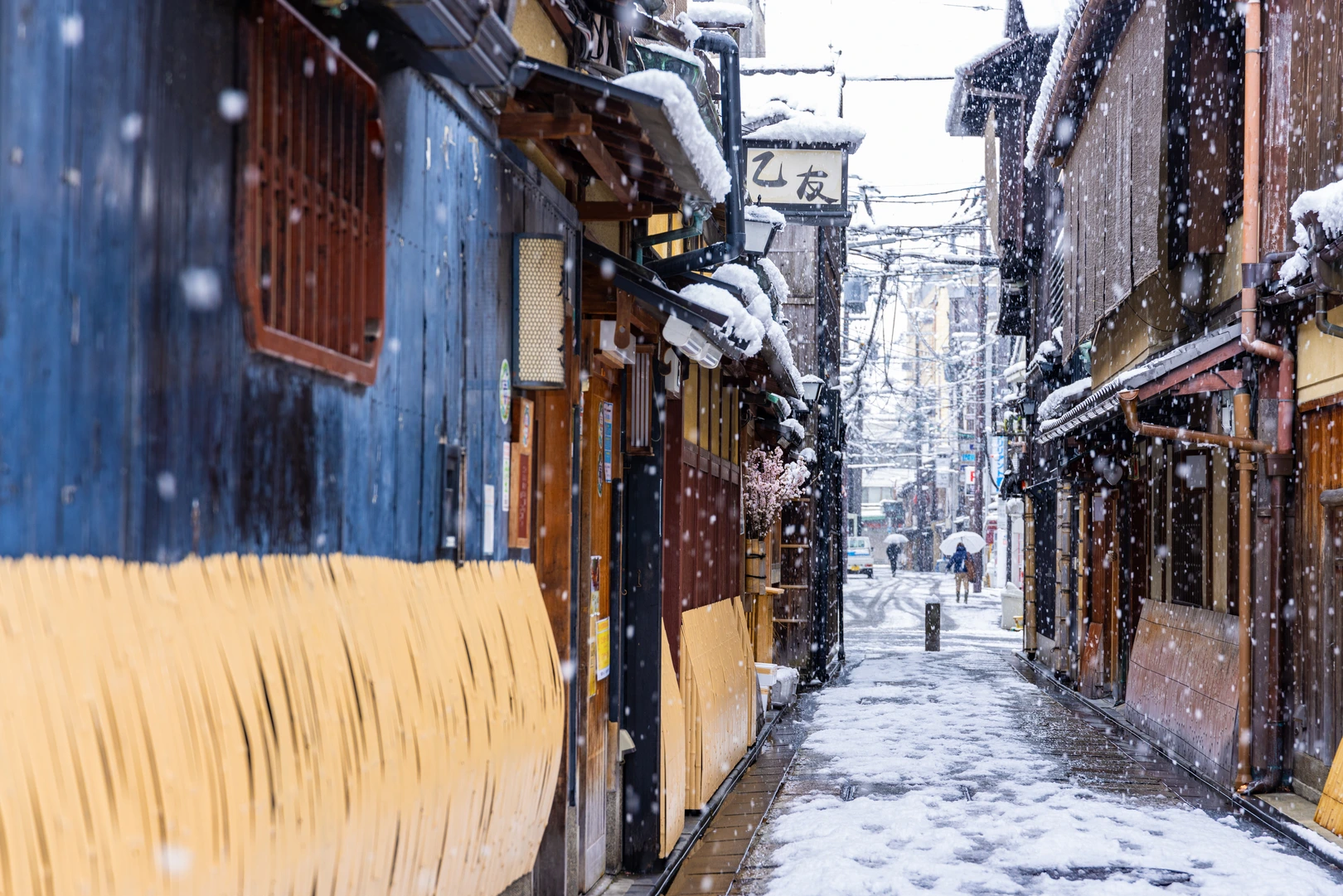
▲From PIXTA: "Snow-covered streets of Higashiyama, Kyoto"
After your meal, walk north to the Gion area.
This is your time to stroll the snowy streets before your train home.
Stone pavements along the Shirakawa River, and the latticework of machiya townhouses.
A dusting of snow is all it takes to turn Gion's familiar scenery into a picture.
Keep heading west and you'll reach the Kamo River.
The rows of houses on the opposite bank reflected on the water, and the Higashiyama mountains in the distance.
On snowy days, the Kamo River has fewer people than usual, and you can clearly hear the sound of the water.
Stone pavements and bridges get slippery.
Take small steps and walk slowly as you etch your last glimpses of Kyoto into memory.Gion Shirakawa / Kamo River
- Address
- Higashiyama-ku, Kyoto-shi, Kyoto (around Gion Shirakawa and the Kamo River)
- Admission
- Free to stroll
- 4-minute walk
- Bus stop: Shijo-Kawaramachi
- About 18 minutes by City Bus No. 5 in normal traffic
Bus stop: Kyoto-ekimae -
-
Arrival!
6Head to Kyoto Station for the Journey Home
-
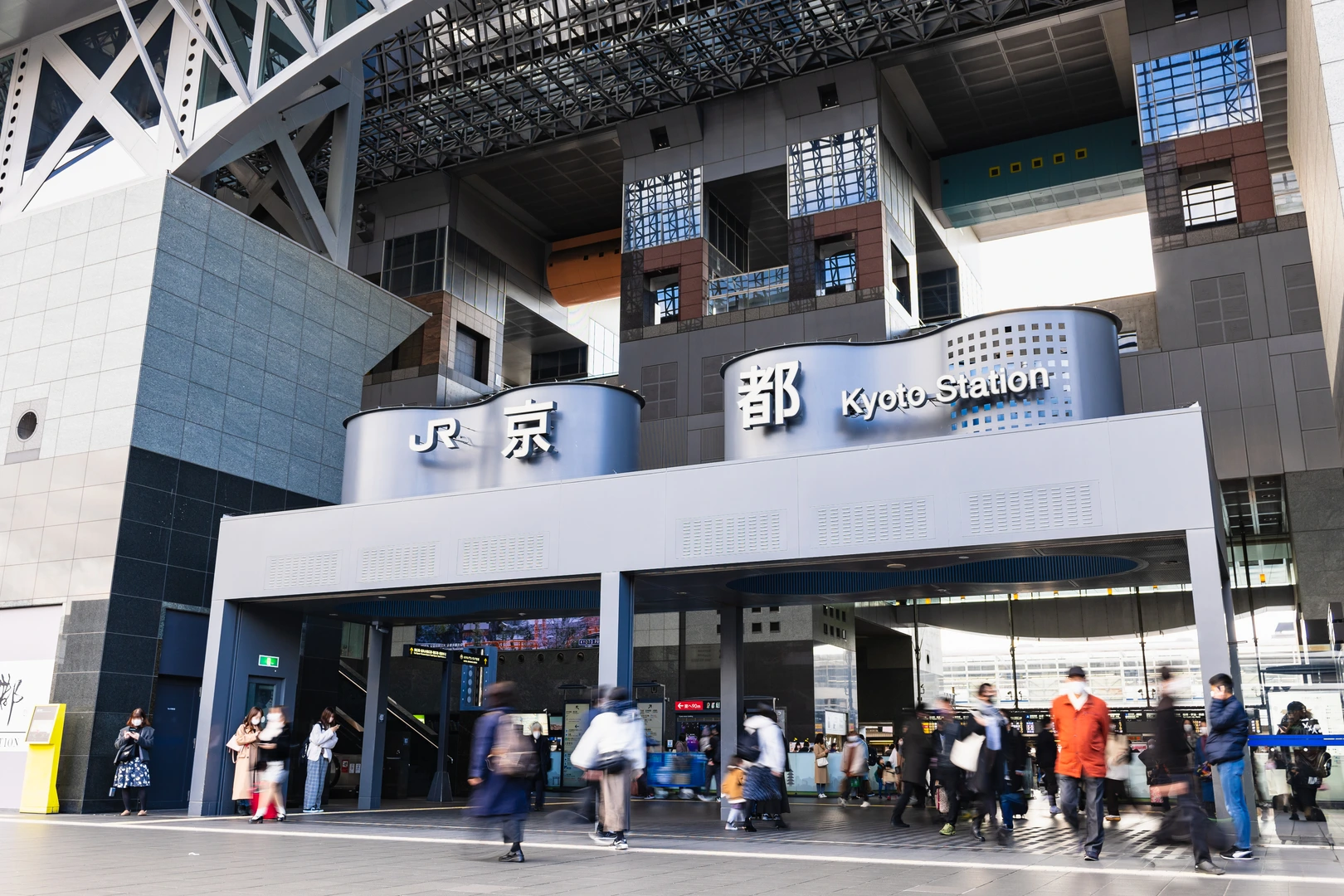
▲From PIXTA: "Kyoto Station Central Exit"
From Shijo-Kawaramachi to Kyoto Station, it's about 18 minutes by City Bus No. 5 in normal traffic.
The bus heads west along Shijo-dori Street and then turns south at Karasuma.
Once you arrive at Kyoto Station, use the time before your train to shop for souvenirs.
The station building is home to shops selling Kyoto confectionery and pickles, and you can also find processed yuba and tofu products.
Train schedules can be disrupted on snowy days, so it's best to head to the station with plenty of time to spare.
In 1 night, 2 days, you will have walked only a small part of Kyoto.
Even so, the memory of the city dressed in snow is sure to stay with you for a long while.Kyoto Station
- Address
- 901 Higashishiokoji-cho, Karasuma-dori Shiokoji-sagaru, Shimogyo-ku, Kyoto-shi, Kyoto 600-8216 (Kyoto Station Building)
-
Snow Viewing Tips
Tips for Making the Most of Kyoto's Snowy Scenery
-
1Late January to Early February Is the Best Time to Enjoy Kyoto's Snowy Scenery
-
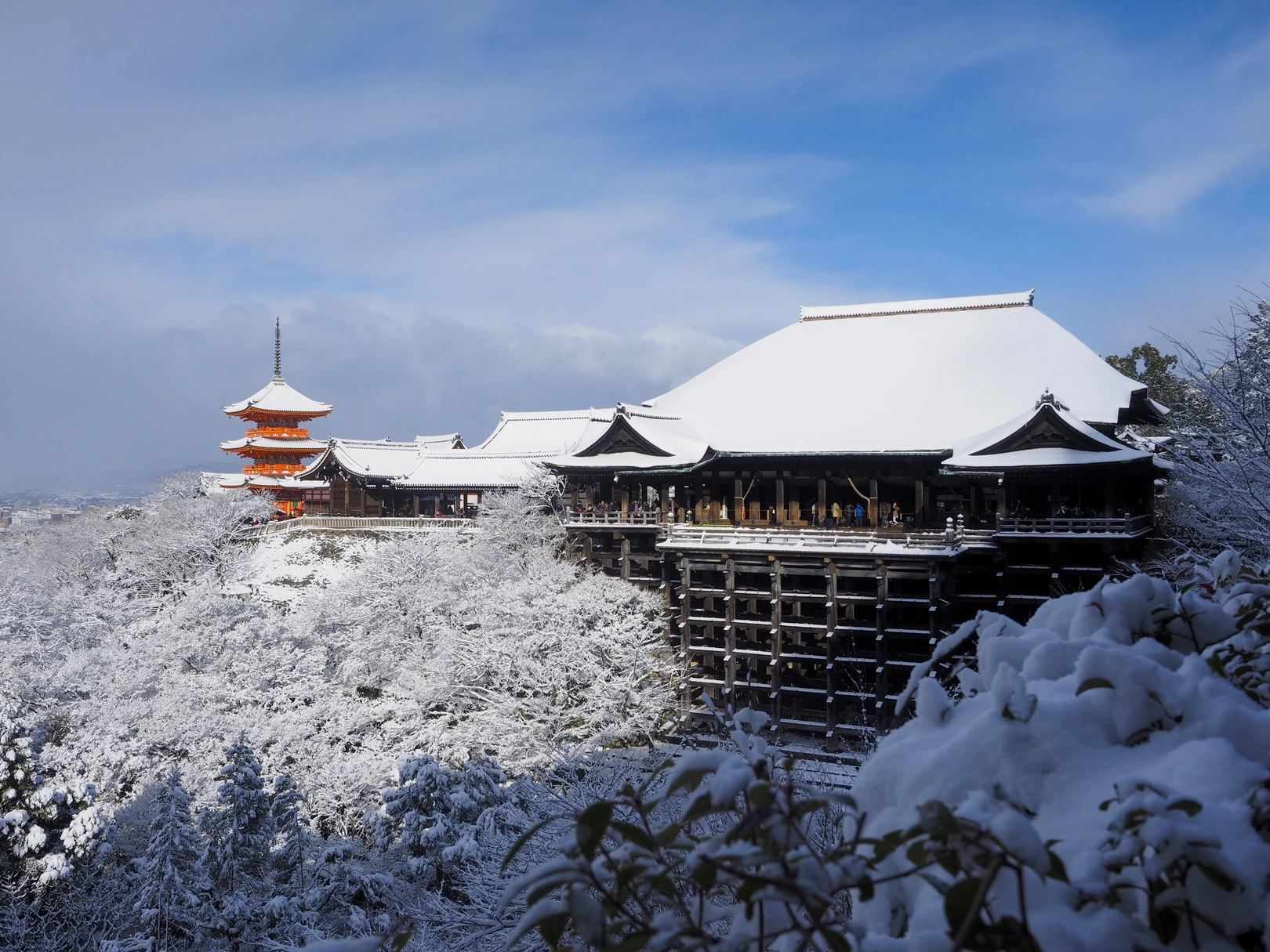
▲From PIXTA: "Kiyomizu-dera Temple and the Kiyomizu Stage in the snow"
Kyoto City lies in a basin, and there are not many days when snow settles.
Even so, the chances are highest from late January to early February.
This is when the cold reaches its peak, and snow clouds from the Sea of Japan side tend to drift over the mountains into the city.
Most of the days when you wake up to find the city white fall in this period.
However, snow cover usually lasts only a few days.
If you fix your travel dates far in advance, it's not easy to time your trip for the snow.
Check the weather forecast frequently in the days leading up to your trip, and make your move when a cold wave is forecast.
This flexibility is the surest way to encounter snowy Kyoto.
Even if the snow doesn't settle, Kyoto in winter is less crowded and the air is crisp and clear.
Think of it as a season worth visiting whether or not you get snow, and set out. -
-
2Start Sightseeing Early in the Morning, as the Snow Melts by Afternoon
-
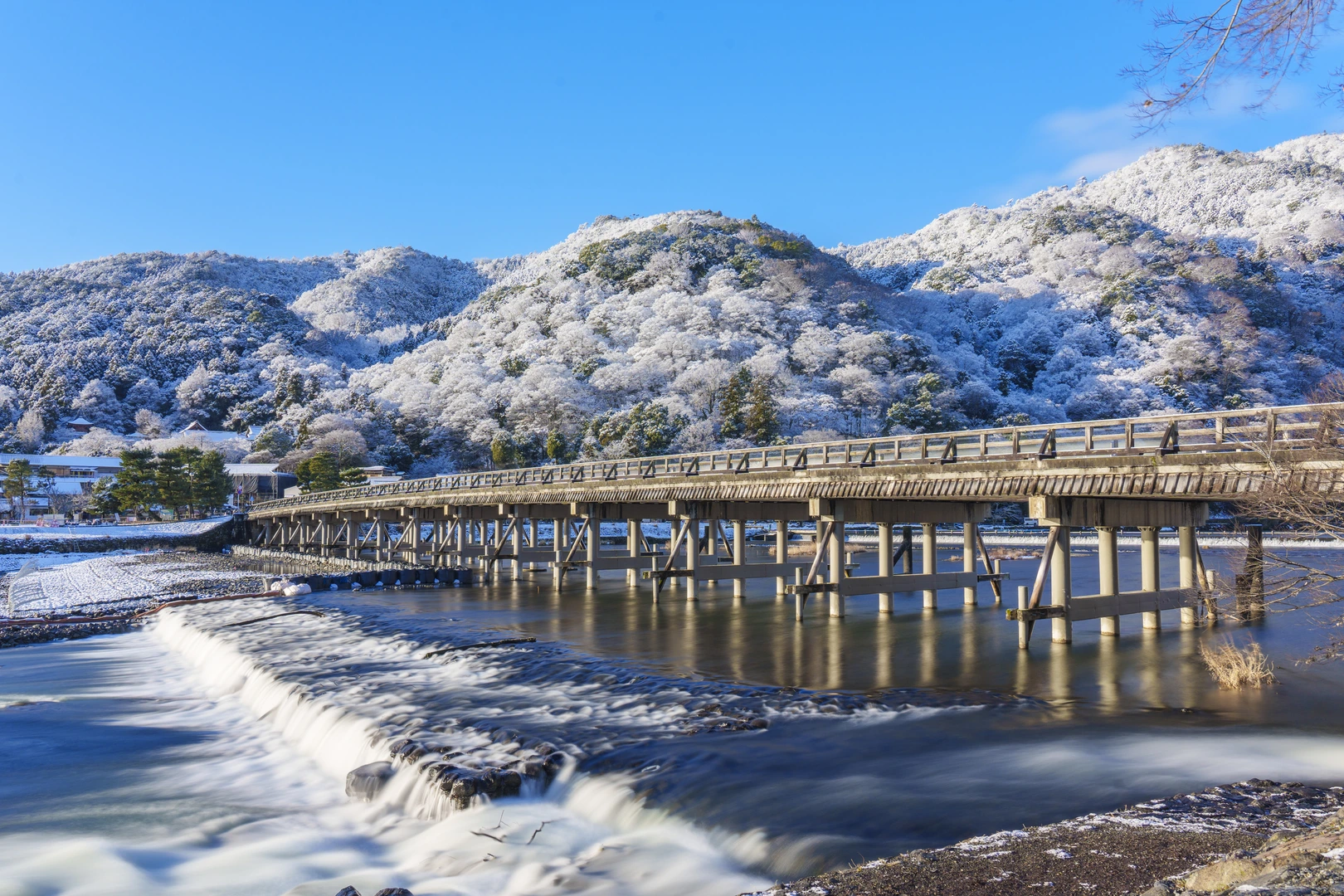
▲From PIXTA: "Togetsukyo Bridge in Arashiyama, covered in snow"
Snow in Kyoto doesn't last long.
When the sun comes out and temperatures rise, the snow on the roofs falls first, and the white on the stone pavements fades away.
In other words, the time to see snowy scenery is almost entirely limited to the morning.
It's not uncommon to hear of people heading out after noon and missing the scenery they had hoped for.
That's why it's a good idea to plan backward from opening times.
Kiyomizu-dera Temple opens at 6:00A.M., and Fushimi Inari Taisha can be visited 24 hours a day.
Kinkaku-ji Temple opens at 9:00A.M., and Ryoan-ji Temple at 8:30A.M. from December to February.
Pick your first stop of the morning, then work your way south, or north, from there.
Planning your route this way lets you visit multiple spots while the snow still remains.
Staying the night before means you won't have to wait for the first train.
In snowy Kyoto, where you stay can even influence what scenery you get to see. -
-
Bring Waterproof, Non-Slip Snow Boots
3With Average Temperatures Around 5°C in January and February, Warm Clothing Is a Must
-
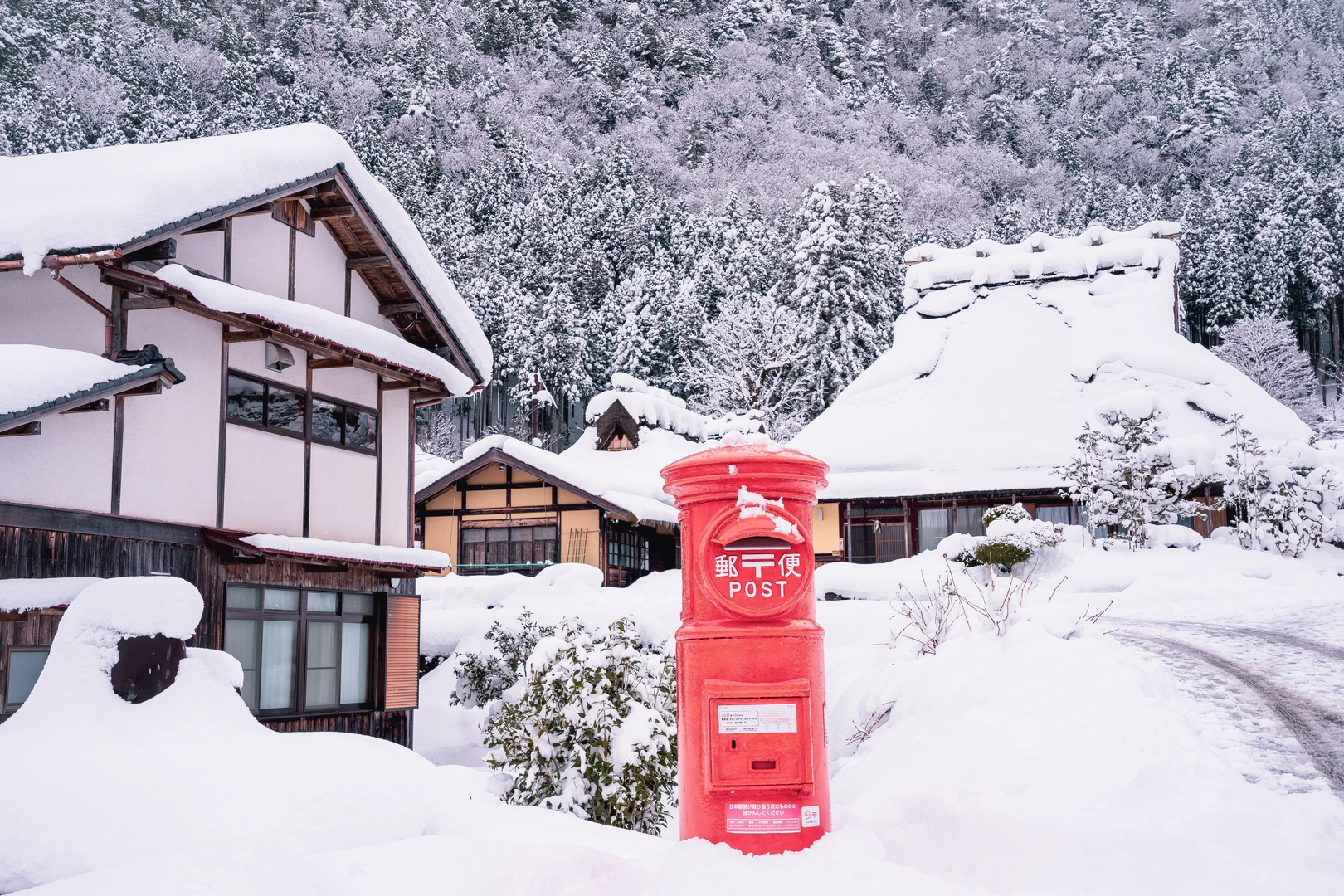
▲From PIXTA: "The snow-covered thatched-roof village of Miyama"
January and February are the coldest months of the year in Kyoto.
The bone-chilling cold typical of a basin often makes it feel colder than the numbers suggest.
The basic rule is to wear thin layers.
Temple halls and subway trains are warm, so choosing clothes that are easy to take on and off will keep you comfortable.
You'll also want gloves, a scarf, and a hat that covers your ears.
One thing that's easy to overlook is footwear.
When snow settles in Kyoto, stone pavements and the stone steps of temple and shrine approaches become wet and slippery.
We recommend waterproof, non-slip snow boots.
A pair with treaded soles will let you walk with confidence even in the hilly Higashiyama area.
Keeping a spare pair of socks in your bag will come in handy if your feet get wet.
Simply keeping your feet dry makes a huge difference in how comfortable your winter trip is. -
-
4Rely Mainly on Public Transportation
-
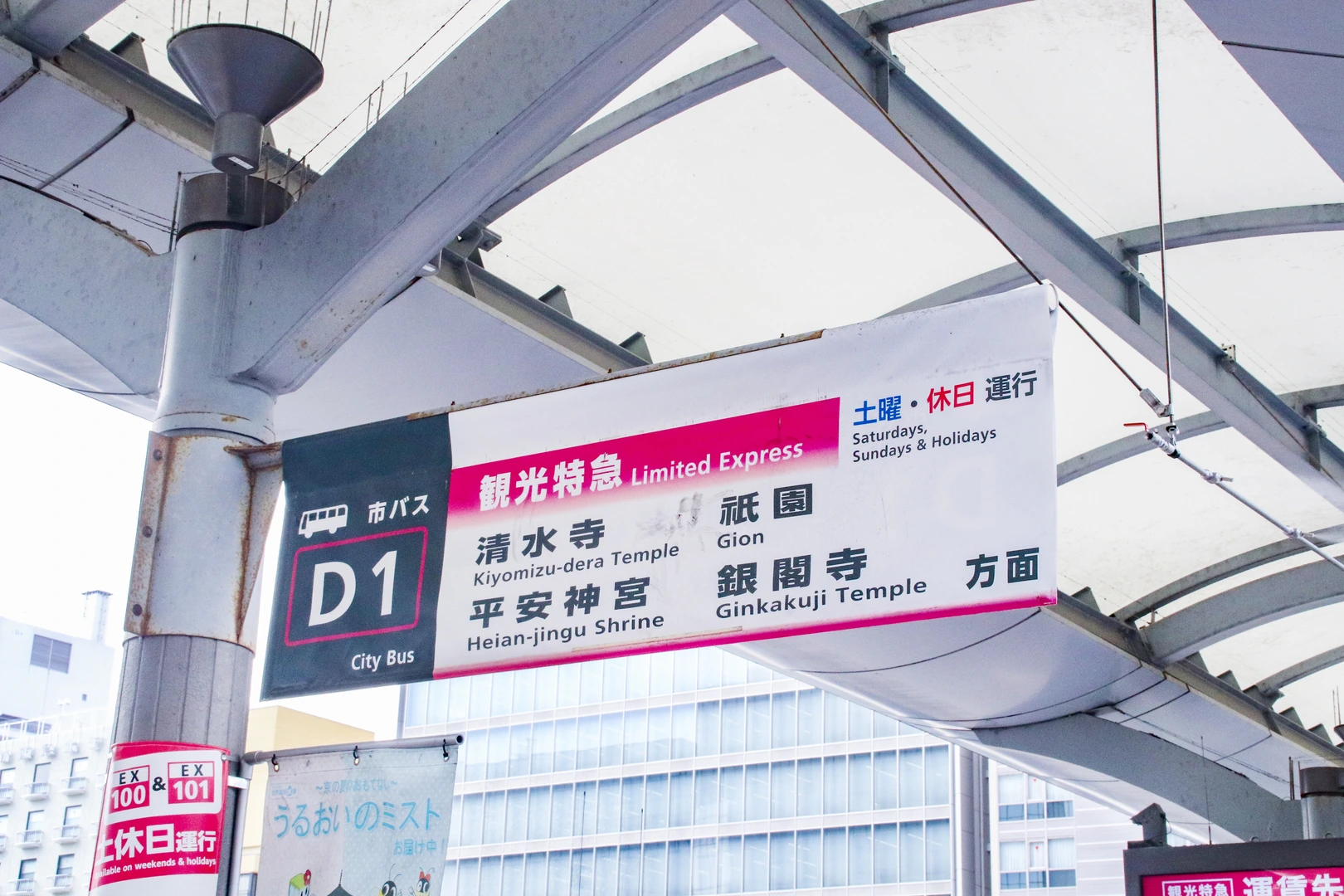
▲From PIXTA: "Bus stops in front of Kyoto Station"
On snowy days in Kyoto, how you choose to get around determines how fulfilling your day will be.
The most reliable options are the subway and trains.
The Karasuma and Tozai subway lines are less affected by the weather, so travel times are predictable.
Combined with the Eizan Electric Railway, Keihan, and JR lines, they connect Rakuhoku with Higashiyama and Fushimi with ease.
City buses have a dense route network and can take you close to the gates of temples and shrines.
However, when snow settles, roads get congested and buses may not run on schedule.
Building extra time into your plans will give you peace of mind.
Rental cars are not recommended for those unaccustomed to driving on snowy roads.
Streets in the city are narrow with many one-way roads, and just finding a parking lot can eat up your time.
When you have a lot of luggage or are traveling in the morning or evening, it's practical to use taxis for parts of the journey.
"Trains as your main mode, with buses and taxis at key points": this approach lets you move around snowy Kyoto with the most flexibility. -
-
Also Recommended
Stay Near Kiyomizu-dera Temple and See Snowy Higashiyama First Thing in the Morning
HThe Hotel Seiryu Kyoto Kiyomizu
-
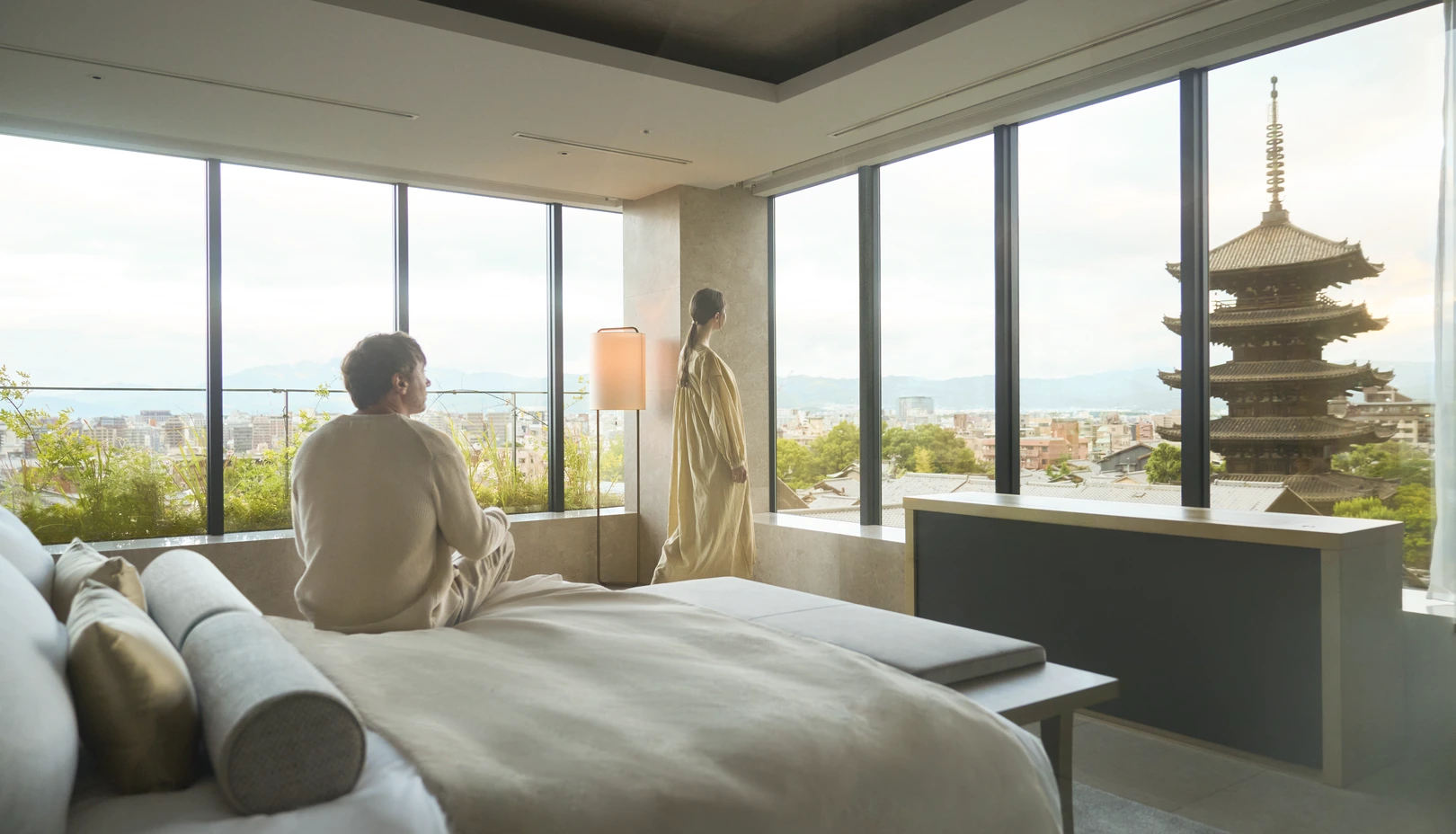
▲From the official website of The Hotel Seiryu Kyoto Kiyomizu: "A guest room overlooking Yasaka Pagoda and the Kyoto cityscape"
-
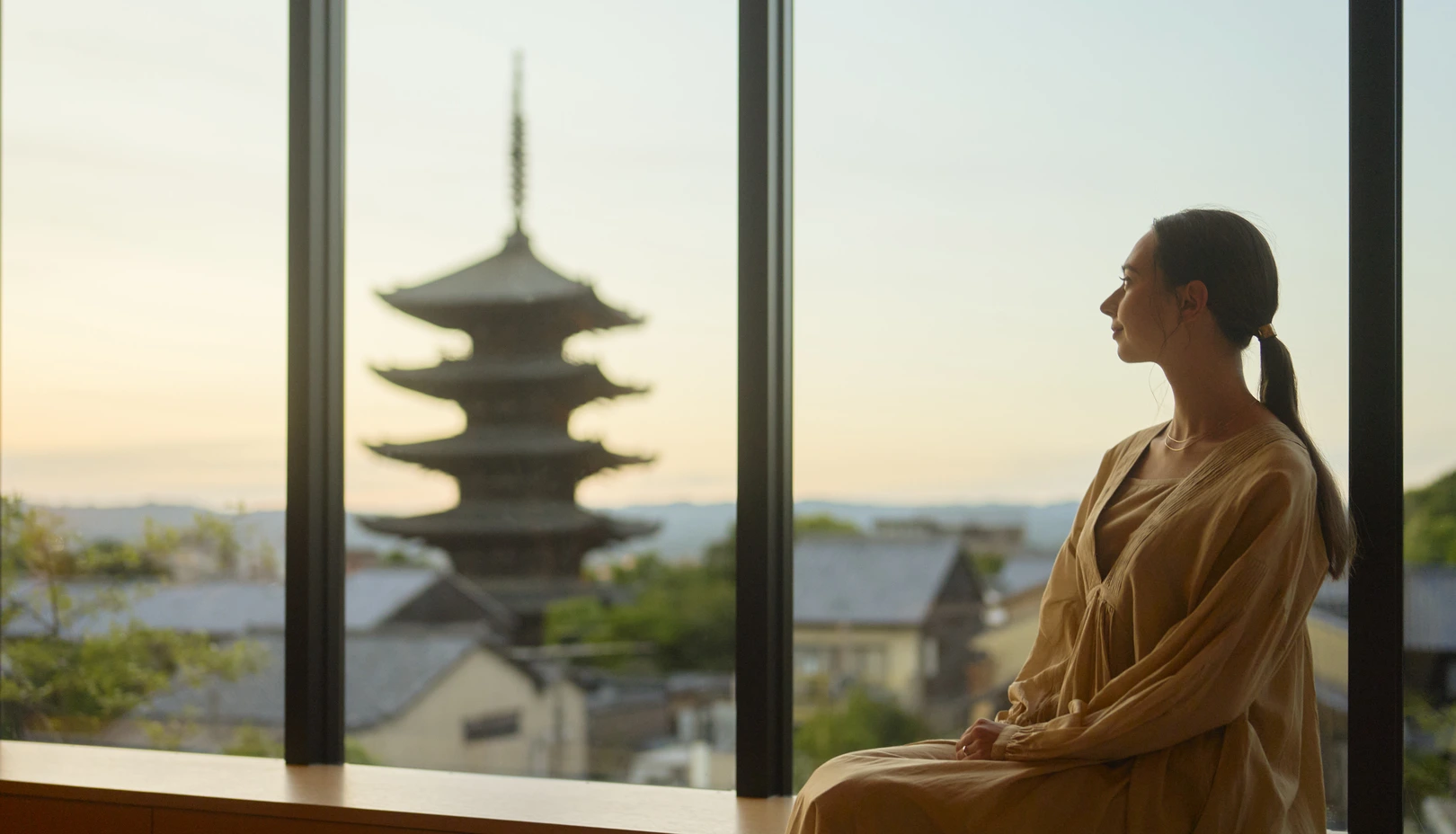
▲From the official website of The Hotel Seiryu Kyoto Kiyomizu: "Yasaka Pagoda at dusk, seen from a guest room window"
-
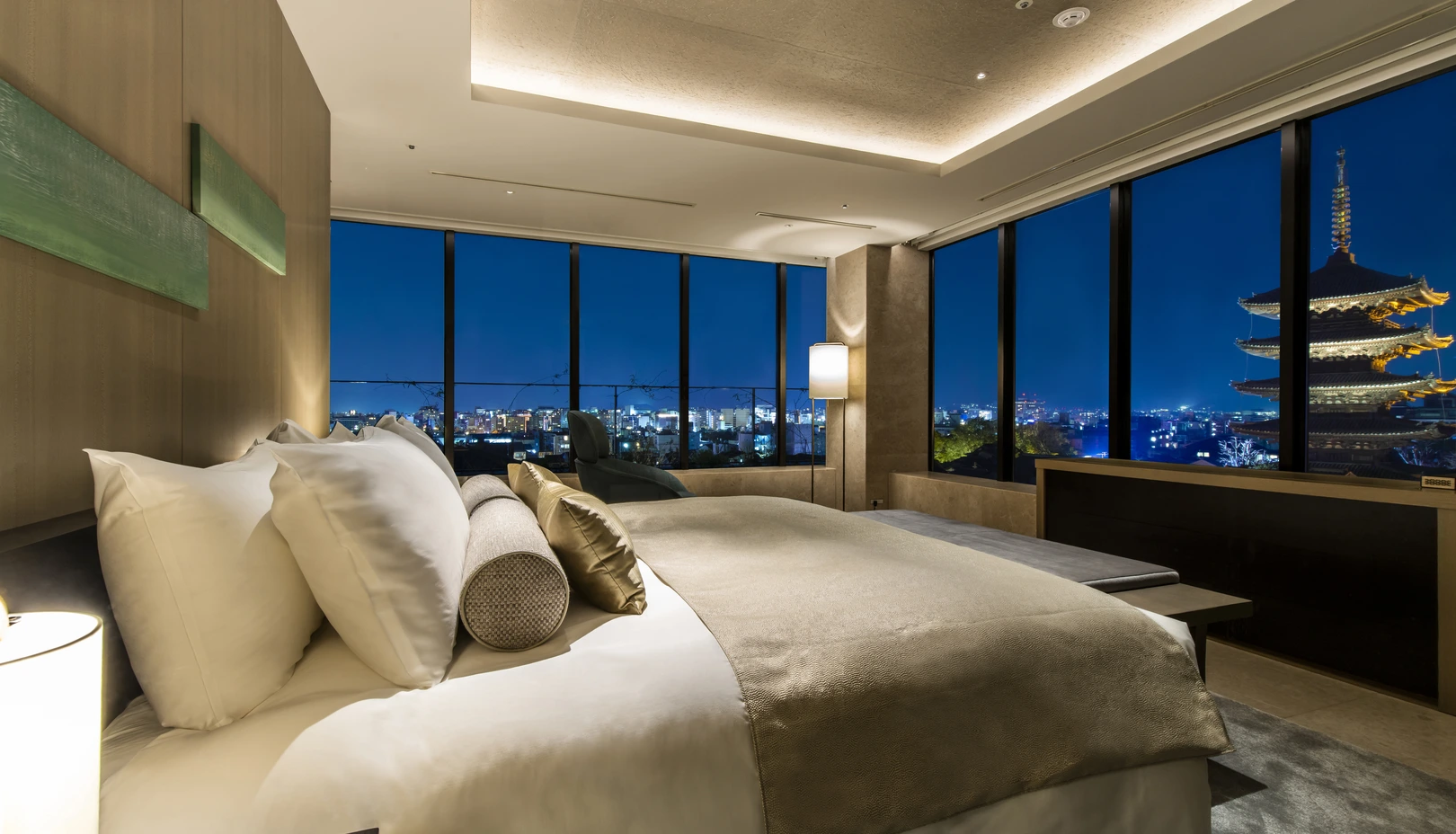
▲From the official website of The Hotel Seiryu Kyoto Kiyomizu: "The bedroom of the Panoramic Suite overlooking Yasaka Pagoda at night"
-
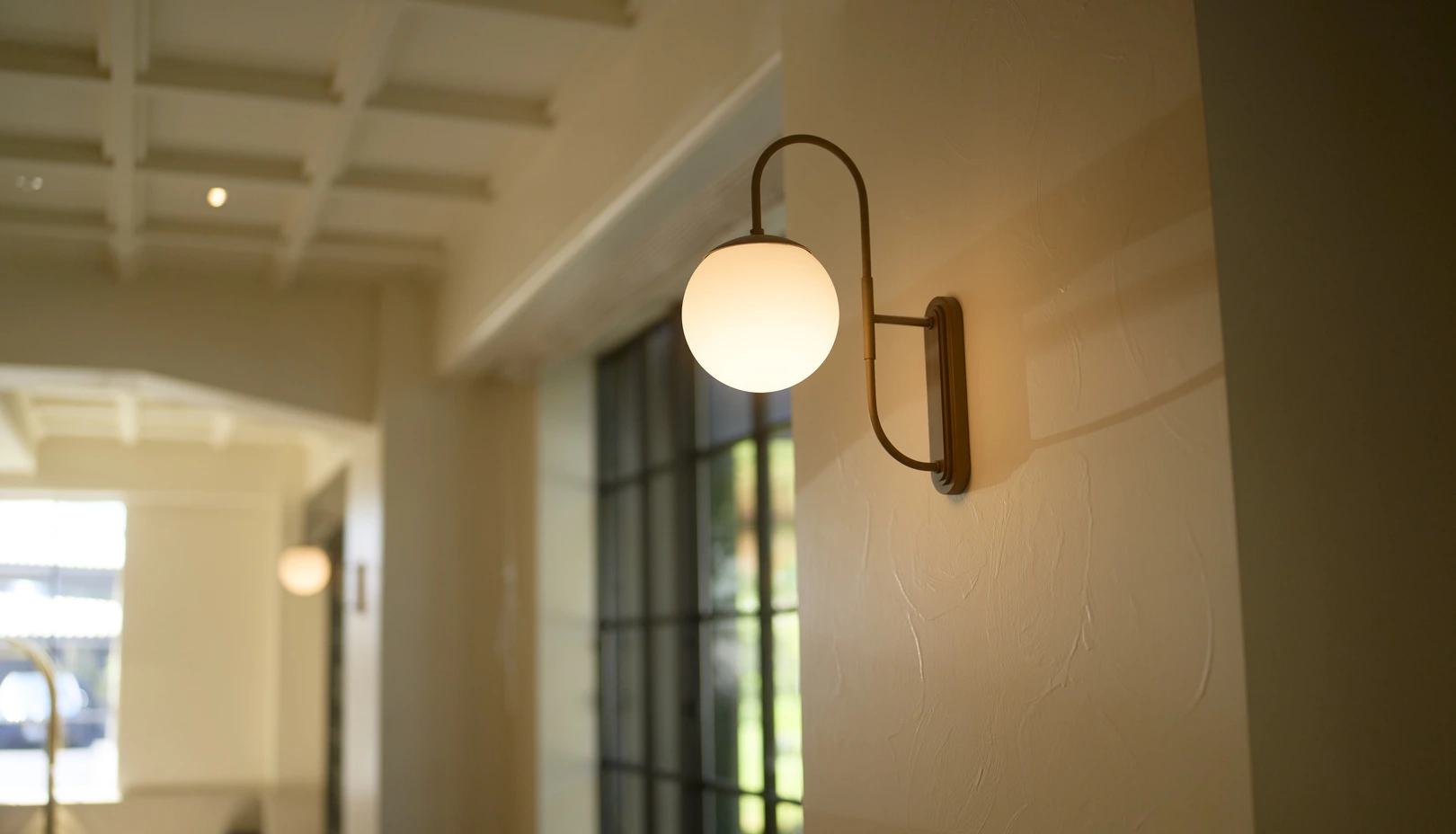
▲From the official website of The Hotel Seiryu Kyoto Kiyomizu: "A reception area that retains a classic charm"
-
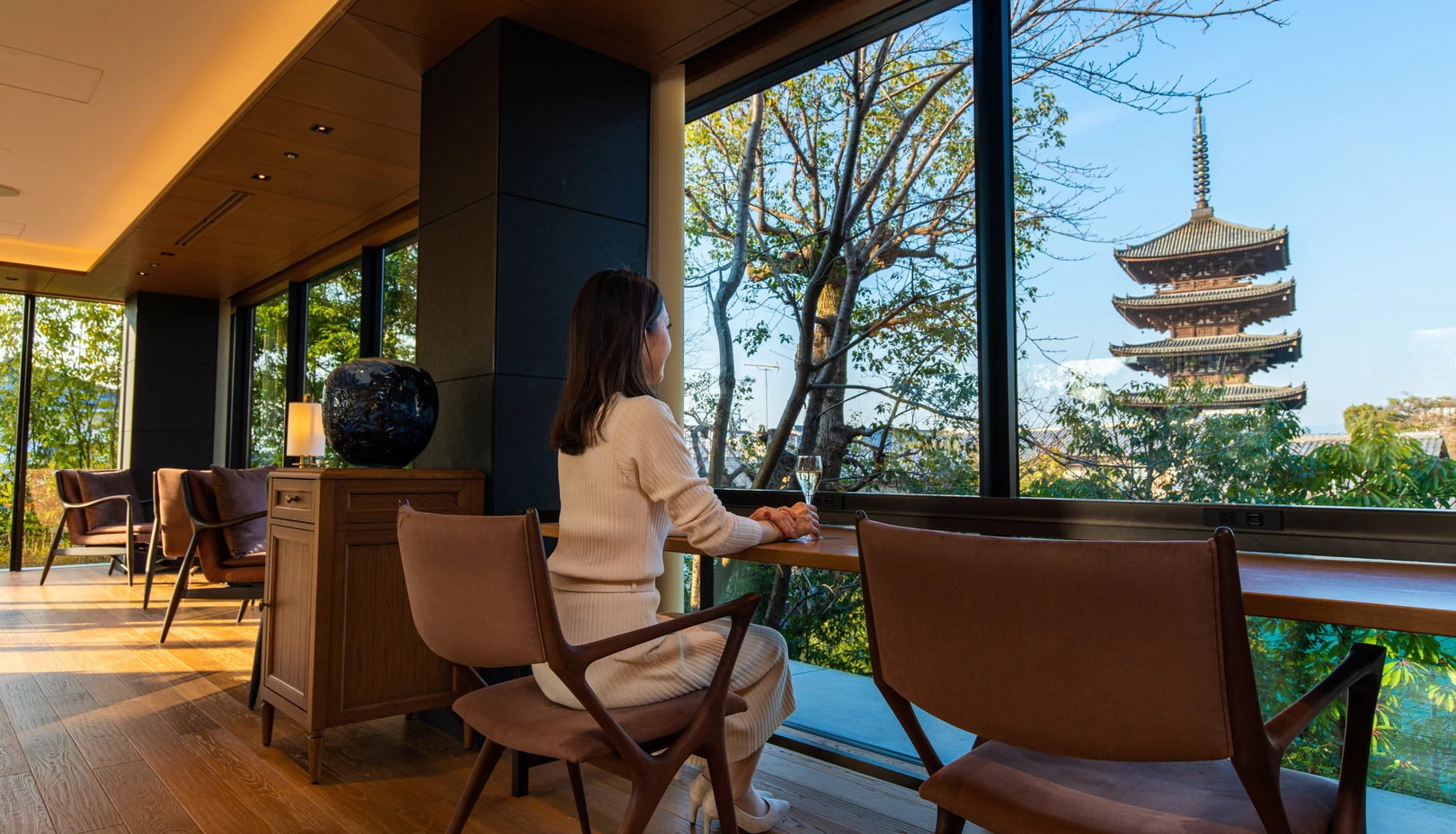
▲From the official website of The Hotel Seiryu Kyoto Kiyomizu: "The guest lounge with a close-up view of Yasaka Pagoda"
-
▲From the official website of The Hotel Seiryu Kyoto Kiyomizu: "Breakfast at a window seat"
-
▲From the official website of The Hotel Seiryu Kyoto Kiyomizu: "The hotel exterior illuminated at night"
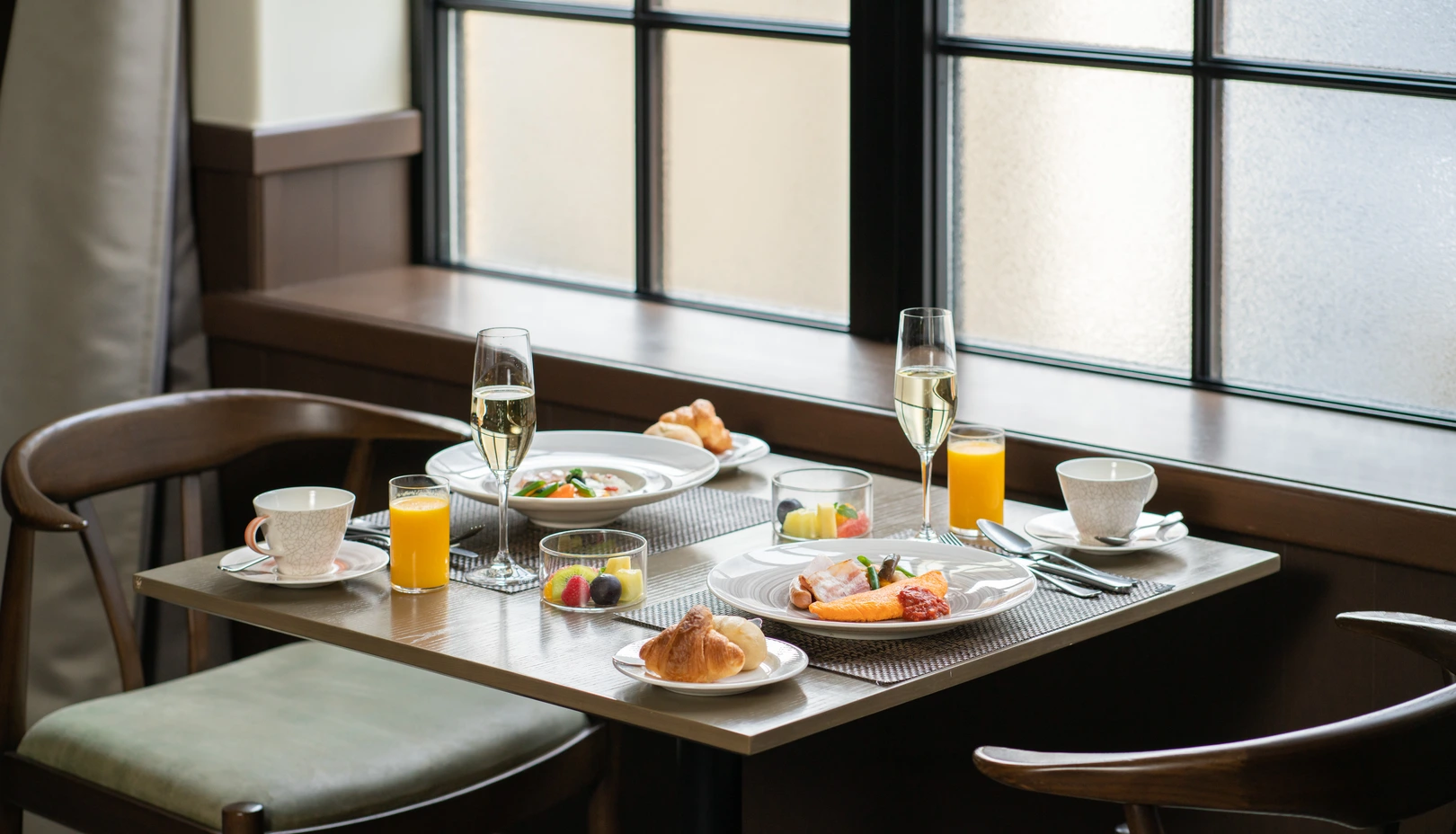
As mentioned in tip No. 2 of "Snow Viewing Tips," where you stay in snowy Kyoto can even influence what scenery you get to see.
If you plan to focus on the snowy scenery of the Higashiyama area, including Kiyomizu-dera Temple and Gion, choosing a hotel in Higashiyama is also a great option.
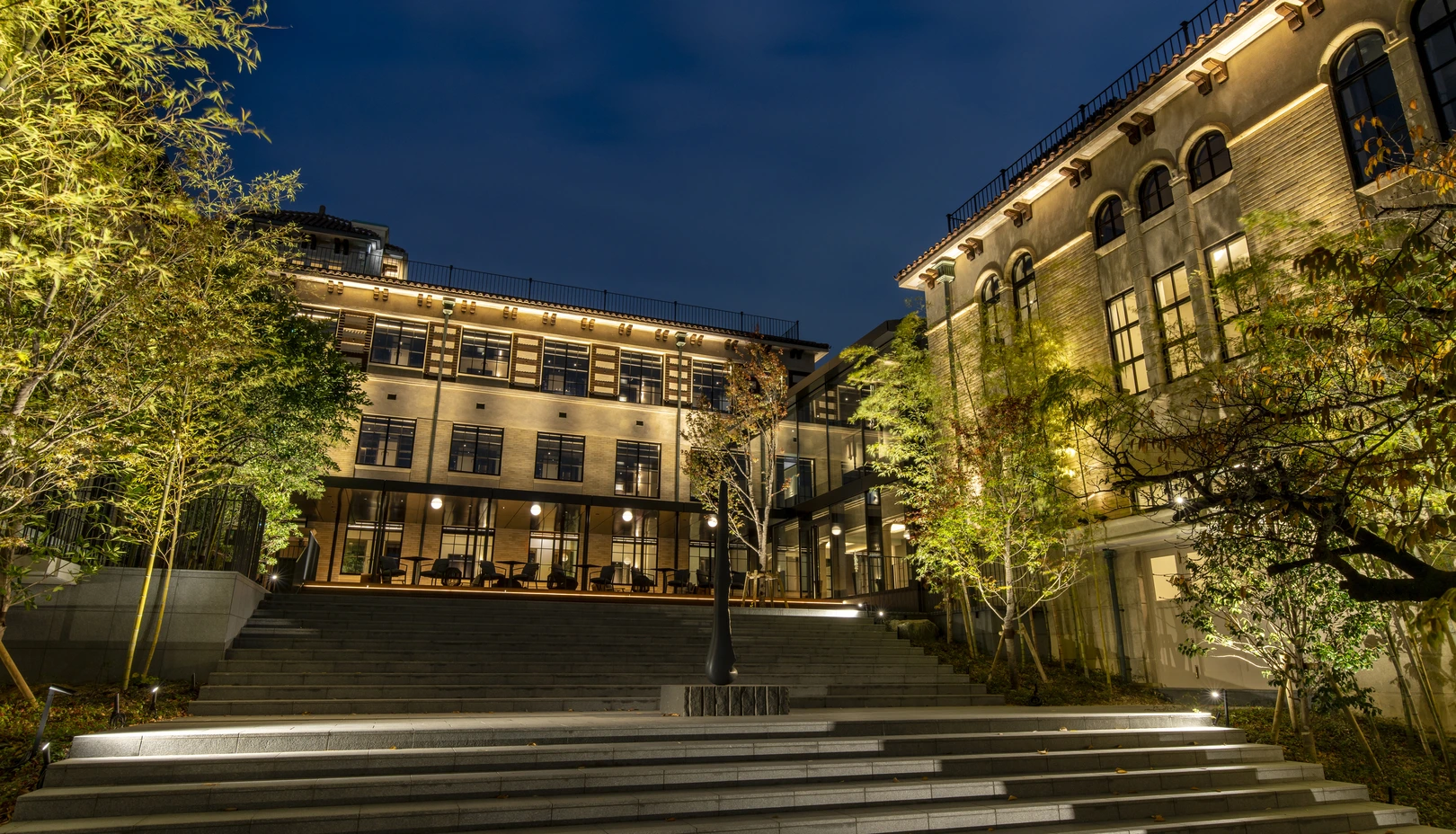
The Hotel Seiryu Kyoto Kiyomizu is an 8-minute walk from Kiyomizu-dera Temple, a World Heritage Site.
Set in a preserved and restored building that was once a beloved elementary school, it blends Kyoto's history with modern comfort.
Sannenzaka is a 3-minute walk away, and Yasaka Pagoda (Hokan-ji Temple) is a 5-minute walk.
From the guest lounge available to hotel guests, you can enjoy a close-up view of Yasaka Pagoda.
On a snowy morning, being able to walk to Higashiyama's famous sights right after waking up is a privilege unique to this hotel.
An early-morning private tour of Kiyomizu-dera Temple (fee required) is also available exclusively for hotel guests.
Please check the official website for dates and details.The Hotel Seiryu Kyoto Kiyomizu
- Address
- 2-204-2 Kiyomizu, Higashiyama-ku, Kyoto-shi, Kyoto 605-0862
-
Q&A About Kyoto's Snowy Scenery
-
1Q. Where can I see snowy scenery if no snow settles in Kyoto City?
-
▲From PIXTA: "Shuheki-en Garden at Sanzen-in Temple in the snow"
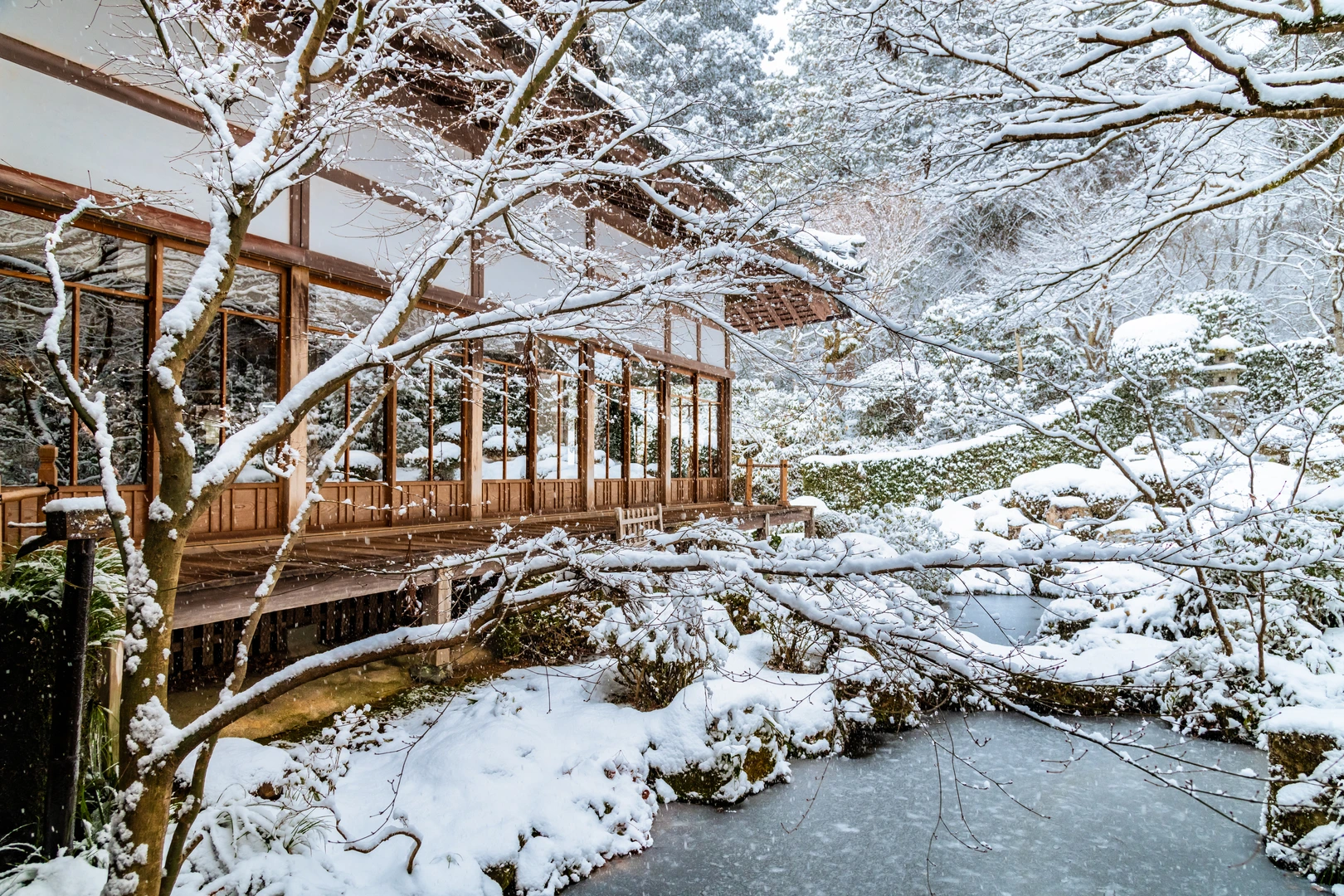
We recommend heading to the mountains of Rakuhoku in northern Kyoto, which sit at a higher elevation than the city.
Ohara is a rural village dotted with temples, including Sanzen-in Temple.
The sight of snow resting on garden moss and stone Buddha statues has a stillness quite different from that of the city.
Kibune and Kurama are also areas where snow may still remain even on days when there is none in the city.
Kifune Shrine, which you visit on Day 1 of this itinerary, is also a good option on such days.
If you can make a slightly longer day trip, head to Miyama in northern Kyoto Prefecture.
The scene of thatched-roof farmhouses wrapped in snow is a view unique to winter.
It gets colder on mountain roads than in the city, and the road surface may be icy.
Please check the latest weather and traffic information before heading out. -
-
2Q. How can I check whether snow has settled during my trip?
-
▲From PIXTA: "Sannenzaka and the five-storied pagoda before dawn"
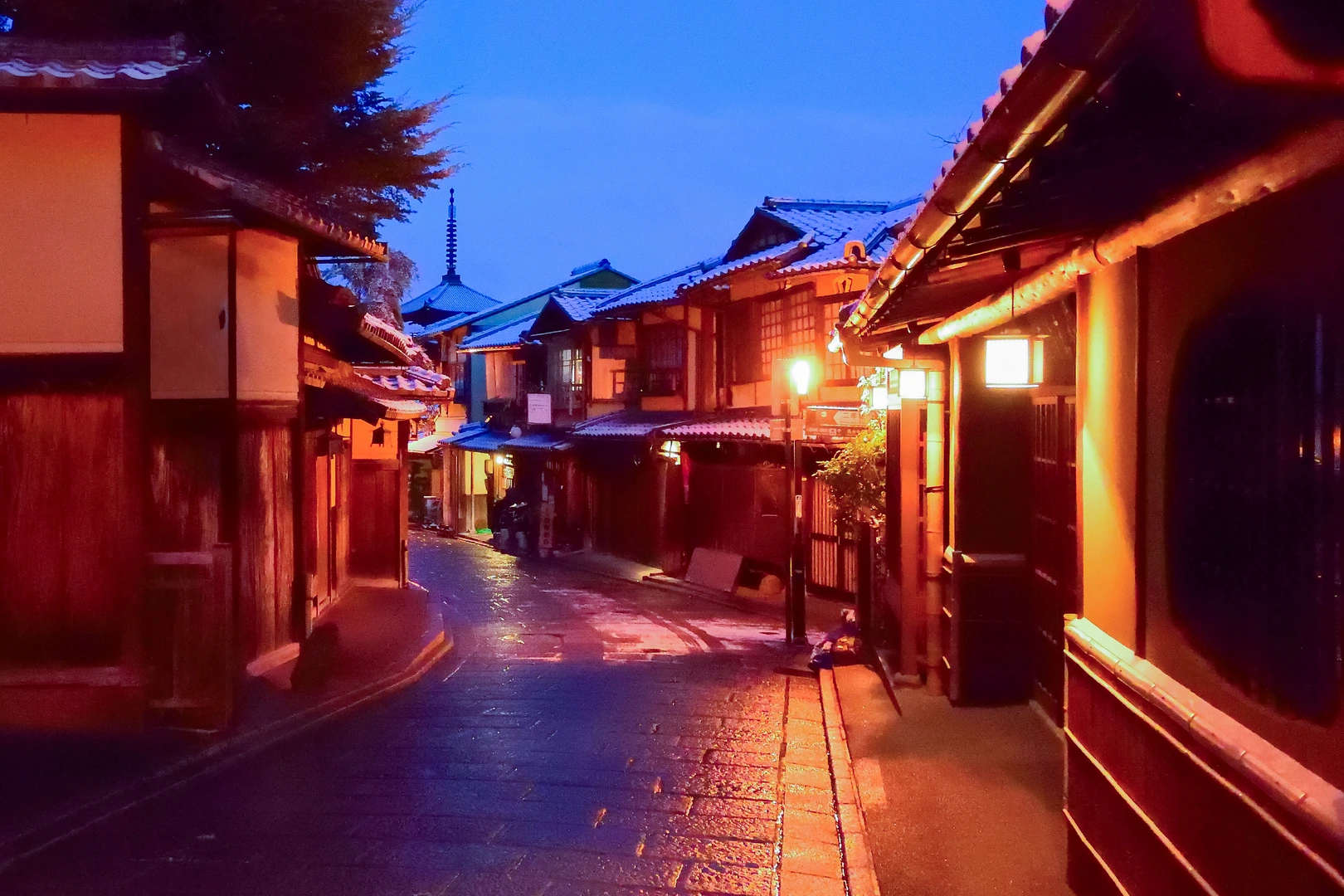
We recommend checking twice: the night before and on the morning of the day.
The night before, check the weather forecast for snow and the next morning's minimum temperature.
If low temperatures are forecast, be prepared to get up early the next morning.
On the morning of the day, first check the view from your hotel window.
If rooftops and trees are white, there's a chance you'll find snowy scenery at temples and shrines in the city too.
Some temples and shrines post updates on the state of their grounds and on light-up events on their official social media.
For Kifune Shrine's Snow Day Light-Up as well, whether it will be held is announced on its official social media that day.
Once you've confirmed snow, the trick is to rearrange your plans for the day to "head to a famous snowy spot first thing in the morning."
Please check the latest weather information before heading out. -
-
3Q. What are the best spots for sightseeing in Kyoto on a snowy day?
-
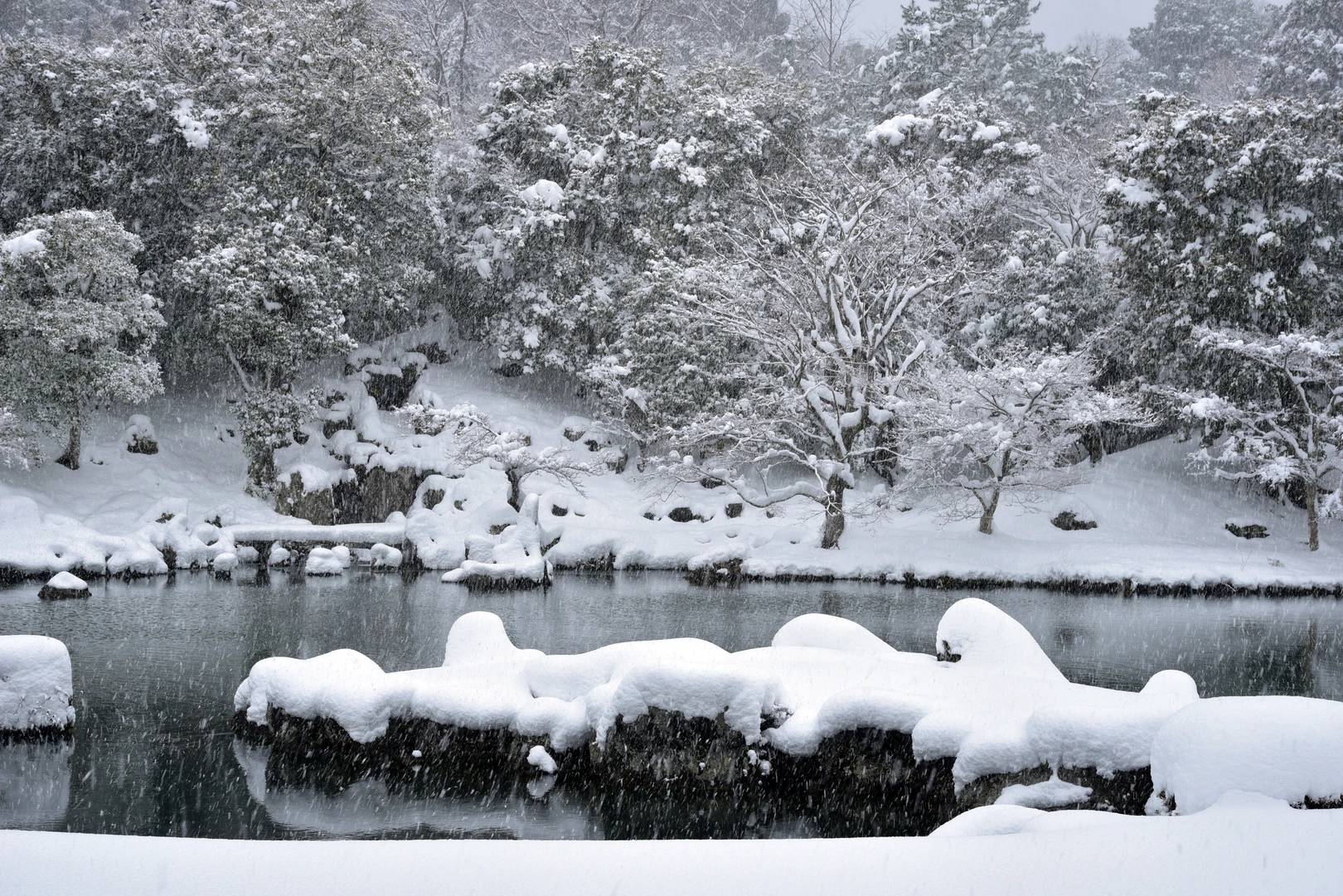
▲From PIXTA: "Sogenchi Garden at Tenryu-ji Temple in falling snow"
The best choice depends on what you want to see.
If you want to enjoy the combination of architecture and snow, we recommend Kinkaku-ji Temple.
The sight of white resting on shimmering gold leaf is something you can only see on a snowy day.
If you want to savor the tranquility of a garden, try the rock garden at Ryoan-ji Temple.
When snow settles on the white sand, the garden takes on an even more abstract look.
If you're after color contrast, head to the Senbon Torii at Fushimi Inari Taisha.
The approach lined with vermilion and white is especially striking in photos.
If you want to see entire streetscapes wrapped in snow, visit the Higashiyama area, including Gion Shirakawa and Sannenzaka.
The stone pavements and machiya rooftops turn white, bringing out Kyoto's distinctive charm.
If you want a better chance of finding snow, head to the mountains of Rakuhoku, such as Kibune and Ohara.
These areas sit at a higher elevation than the city, so snow lingers longer there. -
-
4Q. Besides clothing, what items are useful to bring for sightseeing in Kyoto on a snowy day?
-
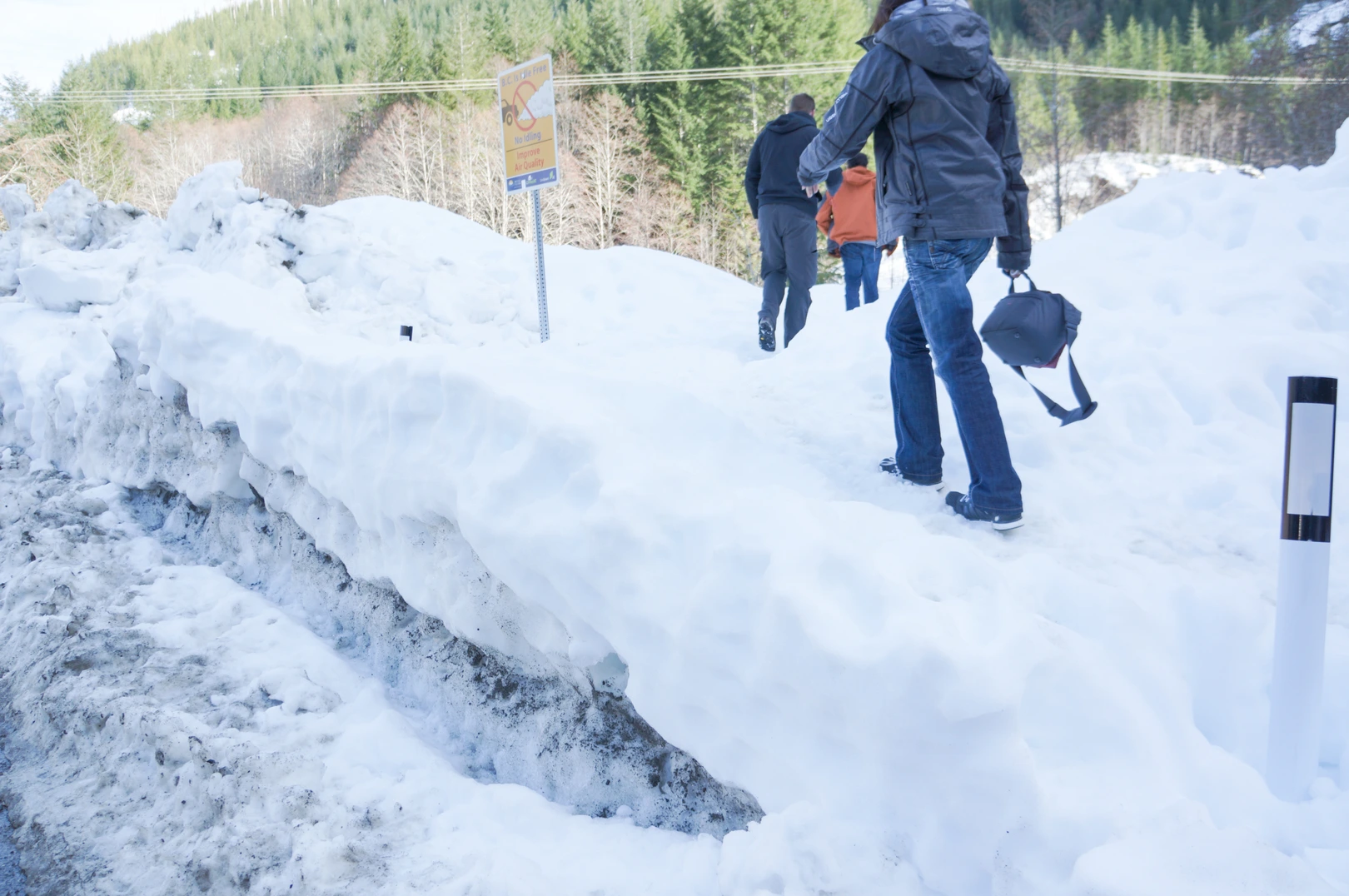
▲From PIXTA: "Winter attire for walking on snowy roads"
For clothing and footwear, see "Snow Viewing Tips."
Here, we've rounded up other items that are useful to bring.
The first is disposable heat packs.
They help ease the chill while you're gazing at gardens or waiting for a bus.
A small towel also comes in handy.
It's useful for wiping snow off wet bags, umbrellas, and shoes.
At some temples and shrines, such as the Hojo at Ryoan-ji Temple, you'll need to take off your shoes to enter.
Choosing thick socks will keep your feet from getting cold on chilly floors.
Smartphone batteries drain faster in the cold, so bringing a portable charger is a good idea.
It's also essential for photographing snowy scenery and checking transportation updates. -
-
5Q. What should I do if transportation is delayed or suspended due to snow?
-
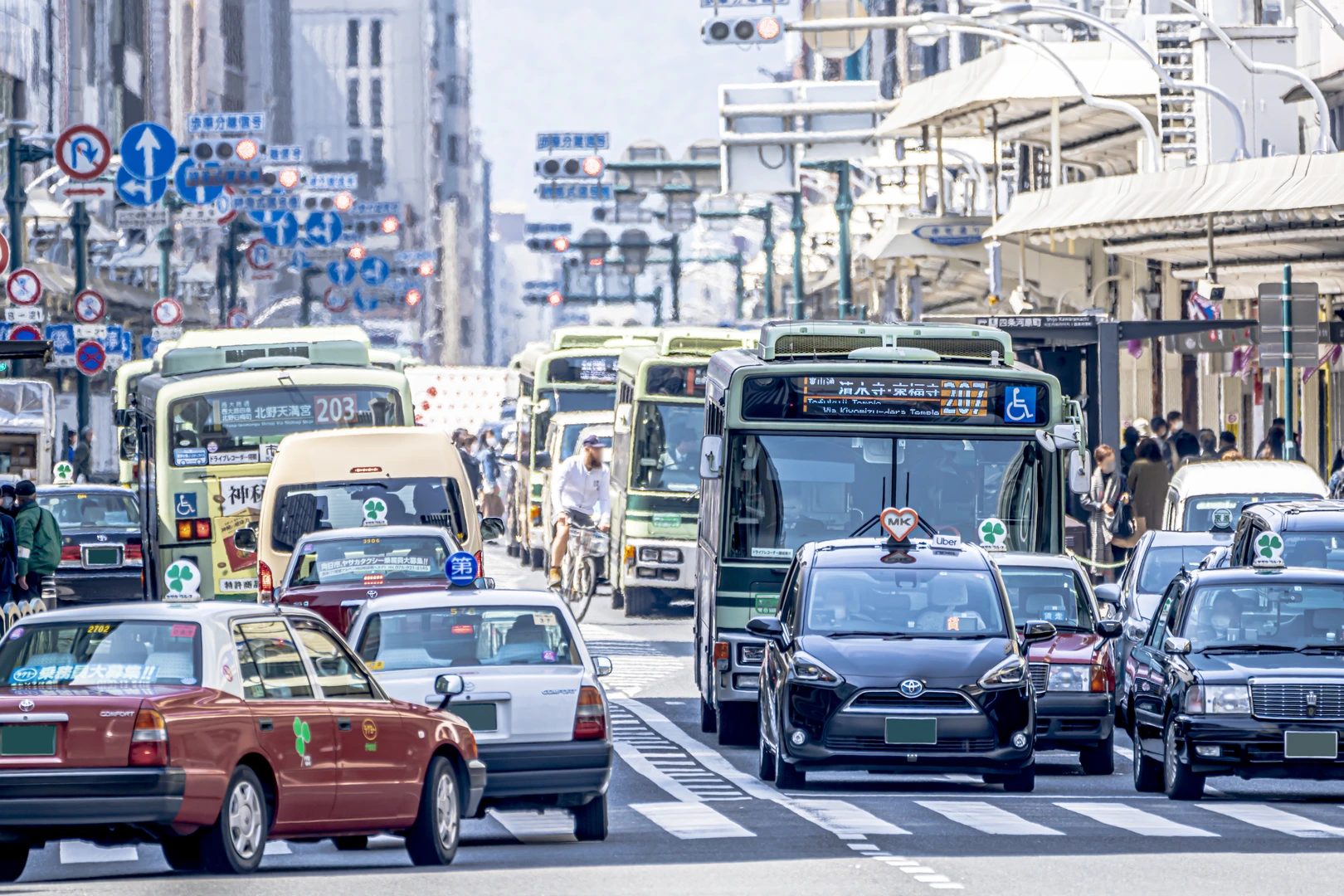
▲From PIXTA: "A Kyoto city bus running along Shijo-dori Street"
First, check the service information for the transportation you plan to use.
The Kyoto Municipal Transportation Bureau (city buses and subway), JR, Keihan, and Eizan Electric Railway each provide service updates on their official websites.
If buses are significantly delayed, rather than waiting indefinitely, you can also rearrange your plans.
Visiting temples and shrines within walking distance of subway or train stations first will make you less vulnerable to delays.
The mountainous Kibune and Kurama areas are more susceptible to snow than the city.
Check train and bus service status before visiting for peace of mind.
On the last day of your trip, allow plenty of time before your train home.
We also recommend heading to Kyoto Station early and enjoying souvenir shopping or a meal around the station. -
Summary
For the Best of Winter Sightseeing in Kyoto, We Recommend Prince Hotels
Kyoto's snowy scenery is a spectacular view that appears only for a limited time, on mornings when conditions are just right.
White settles on the gold of Kinkaku-ji Temple, the rock garden of Ryoan-ji Temple turns monochrome, and the vermilion Senbon Torii are dressed in snow.
Each is a look you can only see on that particular day, at that particular time.
Snow begins to melt before noon.
That's exactly why staying the night before somewhere you can set out from first thing in the morning is the surest way to see it.
Why not make The Prince Kyoto Takaragaike, adjacent to Takaragaike Park in Rakuhoku, your base and head out to Kyoto at its quietest time of year?
If you plan to focus on the snowy scenery of the Higashiyama area, including Kiyomizu-dera Temple and Gion, we also recommend staying at The Hotel Seiryu Kyoto Kiyomizu, an 8-minute walk from Kiyomizu-dera Temple.
- Day 1
- Day 2
- Snow Viewing Tips
- Q&A
- *The photo is for illustrative purposes only. The actual content may differ.
- *The content may be subject to change.

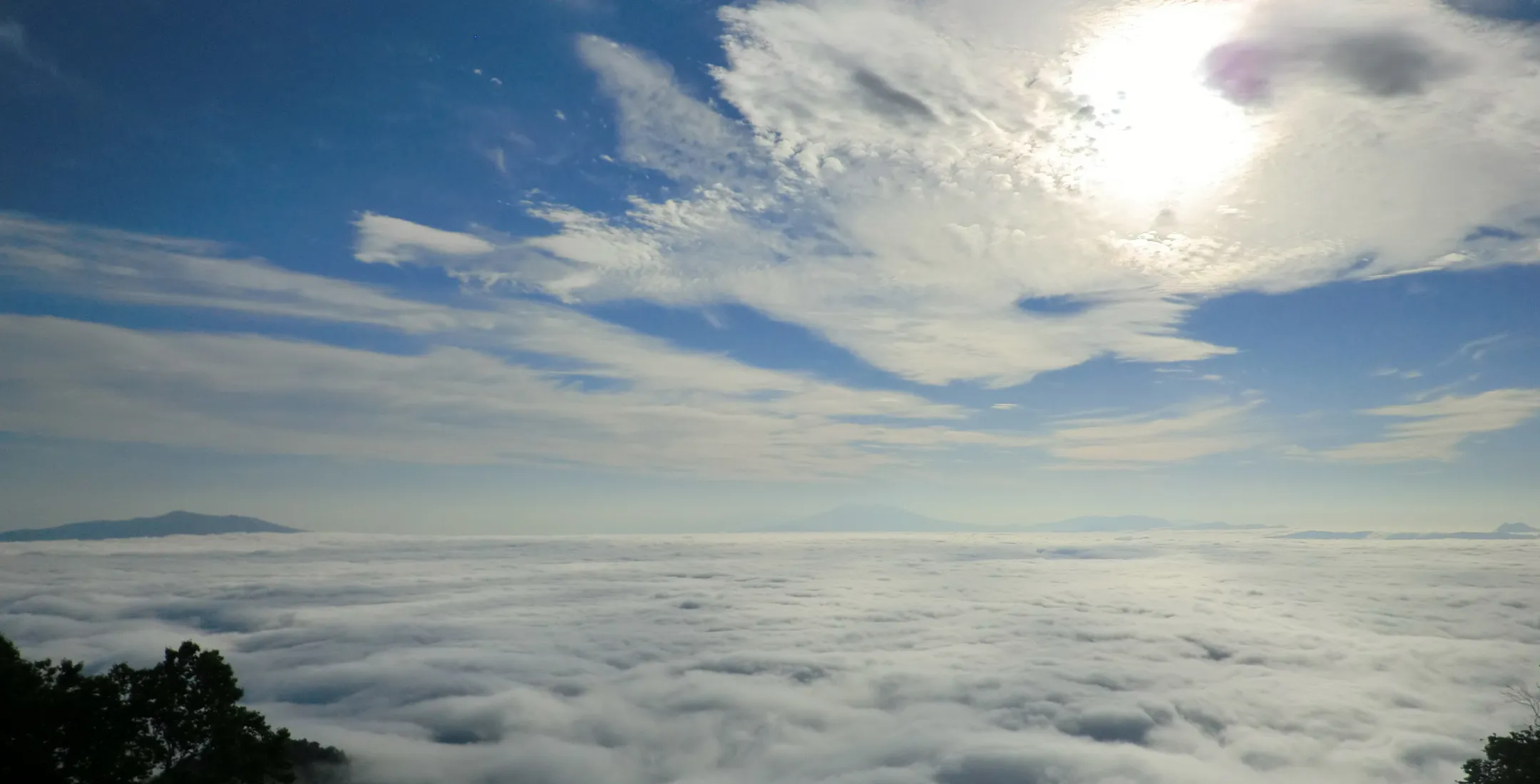

The best views are at Prince.
Experience breathtaking scenery with all your senses.
Take in sweeping panoramas from your room.
Unwind in hot springs beneath a sky filled with stars.
Savor dinner surrounded by enchanting night views.
Discover scenic experiences found only here—moments that make your trip truly special.
Come immerse yourself in unforgettable natural beauty.